Smart Tech Pad Manufacturer: How to Vet Factories With Electronics Lines
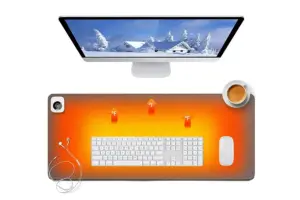
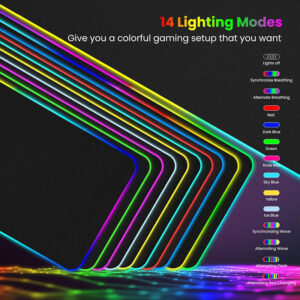
Vetting a mouse pad factory used to be a fabric question: Materialkalandrierung, printing registration, Randnaht. Vetting a smart tech pad manufacturer is a fabric question plus an electronics question plus a systems question, because a wireless charging mouse pad carries a Qi coil, an RGB desk pad carries drive circuitry, and a heated pad carries a thermal controller. A factory that can only answer the fabric question will still quote you the electronics; the gap shows up eleven months later as a field failure rate.
This guide is for brand owners, importers, and procurement managers who are choosing a smart tech pad manufacturer. It walks through what changes in the vetting checklist when the pads carry electronics, which evidence separates a real electronics line from an assembly bench, how wireless charging validation should be verified, and what a pilot order should look like before volume commitment.
Key takeaways before you read further:
- Vertical integration: ask where the electronics integration happens; a factory that molds, prints, seals, and wires the pad under one ISO system answers differently from a broker.
- Charging validation: Qi-protocol wireless charging at 15W, 10W, and 7.5W outputs, with the factory able to name the devices validated on its coils.
- Audit evidence: ISO 9001 and ISO 14001 systems, BSCI and GSV audits, 1.5 million pads monthly capacity across two bases, 300+ Personal, since 2006.
- Pilot terms: Mindestbestellmenge (Minimum Order Quantity) 100 pcs on existing smart molds, 10 Zu 15 day OEM lead time, golden sample approval before mass production.
Why Electronics Lines Change The Vetting Checklist
A plain pad fails visually: the print drifts, the edge frays, the base curls. The failure is visible in a sample and consistent across a production run, so a capable vendor catches it during outgoing inspection. An electronics pad fails statistically: one unit in three hundred resets its lighting mode, another in five hundred drops its charging handshake, and neither defect shows up in the sample you approved. The vetting question shifts from “can they build one good unit” Zu “can they build ten thousand units where the bad ones never ship.”
That statistical discipline lives in the factory’s quality system, which is why audit certificates matter more in this category than in plain textiles. Incoming inspection on electronic components, first-article confirmation on the wired assembly, in-process sampling, full functional testing of finished units, and an outgoing check before loading: the sequence has to exist on paper and on the floor. Our OEM and ODM process runs every smart pad order through exactly that chain, and buyer audits are welcome at any stage.
The checklist also changes commercially. Smart pads sit in the premium layer of a catalog, so a vendor failure costs more than a returned shipment: it costs the launch calendar of the SKU above it. Procurement teams that vet for electronics capability first, and price second, keep their launch dates. The range these products live in is visible on our smart tech pads page, which collects the light, heat, and charging families in one place.

In-House Electronics Vs Outsourced Assemblies
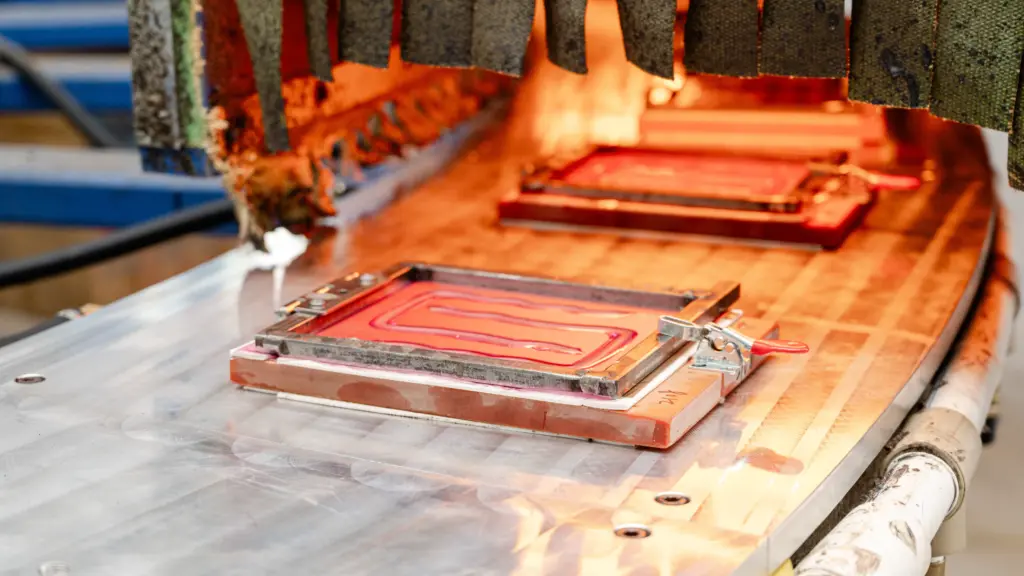
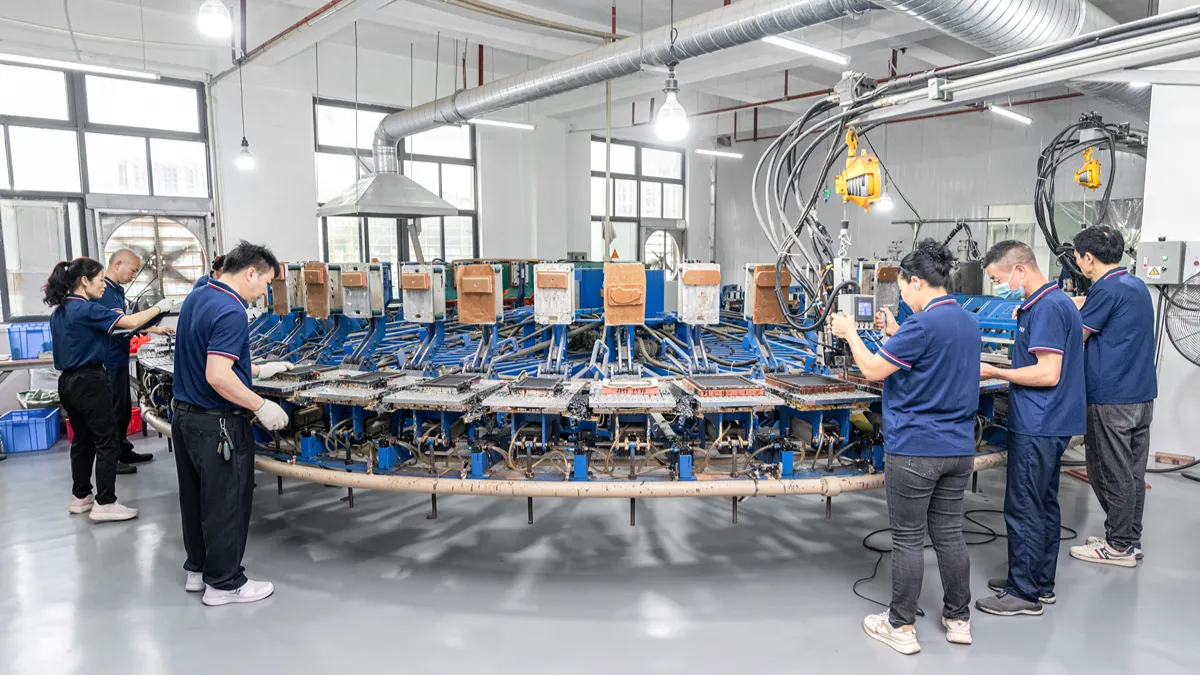
The single most revealing question in a factory visit is also the simplest: which parts of this pad did you make, and which parts did you buy? Every manufacturer buys some components; the question is whether the integration, testing, and traceability happen inside the factory you are auditing. Sanxing runs 100% in-house production across the full chain: mold development, Materialkalandrierung, automated disc-type injection molding, baking, digital printing, edge sealing, electronics integration, and final testing.
In-house matters for three practical reasons. First, revision speed: when your sample review finds a fault, the engineer who can fix it works for the factory, not for a supplier three provinces away. Second, traceability: when a certificate covers the finished product, the factory that holds it also controls every layer underneath. Third, consistency: the same operators, the same production discipline, and the same inspection standards apply to your reorders as to your first run, which is what a reorder buyer is actually paying for.
A factory that integrates its own electronics documents every behavior on one page. A factory that assembles bought-in modules forwards your question to someone you have never met.
During the visit or video audit, ask to see the functional test station, not just the molding line. Watch a finished pad get powered, paired, and charged before it goes into the polybag. The test station is where the statistical promise of the quality system becomes physical, and factories without one will change the subject impressively quickly. For context on how each production stage feeds the next, our guide on how mouse pads are made walks the full chain from raw material to packed carton.
Wireless Charging Specifics And Qi Validation
Wireless charging is the most technically demanding feature in the smart pad range, because the pad must move power through a surface that also has to carry mouse tracking and printed artwork. Our integrated charging pads run the Qi protocol at 15W, 10W, and 7.5W outputs, with the charging zone positioned so it never interferes with mouse movement on the working area.
Validation is where factories separate themselves. Der Wireless Power Consortium develops and maintains the Qi standard, and any factory claiming Qi output should be able to name the devices that passed validation on its coils and show the test records behind the claim. Ask for the compatibility list, not the compatibility sentence. Phones negotiate power differently, and a coil validated against three flagship models behaves differently from a coil validated against a marketing summary.
Foreign object detection deserves a specific question in the vetting call. A charging surface that cannot tell the difference between a phone and a set of keys is a safety liability in an office product, so confirm the detection behavior on the sample with a metal object and watch the pad refuse to charge it. Ten minutes with a paperclip predicts the warranty claims of the next two years.
Buyers expanding from illuminated SKUs into charging SKUs should carry the electronics checklist forward rather than starting fresh: the light-system checks in our guide on what brands should check before ordering RGB mouse pads still apply to combined charging-and-lighting models, with the coil and detection tests added on top.

Shortlisting a smart tech pad manufacturer? Send us your product plan and target specs. Our engineers will confirm the electronics feasibility and return a quotation within one working day.
Mindestbestellmenge 100 pcs | RoHS and CE certified | DDP to Amazon FBA
Audit Evidence That Actually Matters
Audit certificates answer a narrow question: does a recognized body vouch for this factory’s system? They do not answer whether the system covers your product, whether the certificates are current, or whether the capacity exists when you need it. The table below pairs each piece of standard evidence with the follow-up question that makes it meaningful for a smart tech pad program.
| Evidence | What It Vouches For | Follow-Up Question |
|---|---|---|
| ISO 9001 | Quality management system | Does the functional test station appear in the documented process? |
| ISO 14001 | Environmental management | Is the scope current and does it cover the shipping site? |
| BSCI / GSV | Social compliance and supply chain security | Can the report be shared with your retail chain customers? |
| Product certificates (RoHS, CE, FCC, CA65, ERREICHEN) | Market compliance of the finished pad | Do the numbers verify, and does the holder match the shipping factory? |
| Capacity statement | Ability to absorb reorders | 1.5 million pads monthly across two bases: what share is committed? |
Track record is the evidence layer that no certificate covers. Sanxing has manufactured since 2006, operates a 50,000 square meter footprint across two production bases with 300+ Fachpersonal, and holds National High-Tech Enterprise status. Twenty years of production history does not guarantee a good product, but it does mean the factory has survived every certification revision, market shock, and customer audit cycle of the past two decades, which is the closest thing to a stability proof this industry offers.
Brand owners who serve both retail and corporate channels should also check where the vendor’s design protection stands, because smart pad programs carry more proprietary engineering than plain pads. Every project here runs under a signed NDA (Non-Disclosure Agreement) with a zero-exhibition pledge, and the same protection extends to the corporate gifting customizations that end up in client-branded catalogs.
Sample And Pilot Order Workflow
The pilot order is where vetting becomes verification. A 100 pc first order on existing smart molds costs a normal marketing budget, exercises the real production line, and returns sellable units instead of demo samples. The milestones below are the sequence our buyers follow from first contact to a volume commitment.
| Milestone | What Happens | Your Checkpoint |
|---|---|---|
| Feasibility review | Engineering confirms the spec, compliance path, and quotation | Numbers in writing, certification path named |
| Golden sample | Production-intent sample built on the real line | Full functional test: charging, lighting, thermal, power cycling |
| Pilot run | 100 pcs minimum, 10 Zu 15 day lead time | Outgoing inspection report and third-party spot check |
| Volume commitment | Capacity reserved against the reorder forecast | Restock cadence agreed before demand arrives |
Resist the temptation to skip the golden sample when the pilot is small. The sample approval is what makes the pilot a controlled experiment instead of a lottery ticket, and it anchors the specification that reorders are measured against a year later. Distributors pairing smart SKUs with volume plain-pad business can consolidate both streams with one vendor through the wholesale blank program and the Gaming-Mauspads catalog, which keeps freight, auditing, and paperwork on one rail.
Häufig gestellte Fragen
Does Sanxing Manufacture The Electronics In-House?
Ja. Production is 100% in-house from mold development and material calendering through injection molding, digital printing, edge sealing, electronics integration, and final functional testing, all under one ISO 9001-certified system across two production bases.
What Wireless Charging Outputs Do The Pads Support?
The integrated charging pads run the Qi protocol at 15W, 10W, and 7.5W outputs. The charging zone is positioned outside the mouse tracking area, and validation records for the coils are available during the vetting stage.
What Is The MOQ For A Smart Tech Pad Program?
First orders on existing smart molds start at 100 pcs, with OEM lead time of 10 Zu 15 days after specification lock. Fully custom molds and shapes are quoted individually after a feasibility review of your drawings.
Can We Audit The Factory Before Committing?
Ja, buyer audits and third-party inspections are part of normal business. The factory holds ISO 9001 and ISO 14001 certification with BSCI and GSV audit coverage, and the functional test station is on the standard tour route.
How Is Our Custom Design Protected?
Every project runs under a signed NDA with a zero-exhibition pledge: client designs, custom molds, and proprietary electronics layouts never appear on our website, wholesale platforms, or trade show booths.
Vetting a smart tech pad manufacturer comes down to three verifiable facts: the electronics integration happens inside the audited factory, the charging and lighting claims trace to test records, and the pilot order exercises the same line that will build the reorders. A factory that welcomes those three checks is a factory you can plan two years of SKUs around.
Sanxing Tech builds smart pads with in-house electronics integration under an ISO-certified system, mit 1.5 million pads of monthly capacity standing behind the delivery calendar. Send your product plan, and our engineering team will return a feasibility answer with a quotation.