Wie werden Mauspads hergestellt?? Von Materialien bis zur Qualitätskontrolle
Wenn Sie maßgeschneiderte Mauspads beziehen, Möglicherweise möchten Sie mehr als nur die endgültige Größe wissen, Kunstwerk, und Preis. Der Herstellungsprozess kann sich direkt darauf auswirken, wie sich ein Mauspad anfühlt, Spuren, bleibt flach, und funktioniert auch nach Monaten des Gebrauchs.
Also, Wie werden Mauspads hergestellt?? Die Antwort beginnt bereits bei der Auswahl der Oberflächen- und Trägermaterialien, geht dann durch den Druckvorgang, Laminierung, Präzisionsschneiden, Randnaht, und Qualitätsprüfung. Für Gaming- und ergonomische Produkte, Zusätzliche Prozesse wie Oberflächenveredelung und Gelinjektion können ebenfalls das endgültige Benutzererlebnis beeinflussen.
In diesem Ratgeber, Wir werden den Herstellungsprozess des Mauspads Schritt für Schritt durchgehen, Erläutern Sie die üblicherweise verwendeten Materialien und Produktionsmethoden, und schauen Sie sich die wichtigsten Qualitätsfaktoren an, auf die es bei der Entwicklung ankommt OEM-Gaming-Mauspads.
Aus welchen Materialien werden Mauspads hergestellt??
Kommerzielle Mauspads basieren auf mehrschichtigen Verbundwerkstoffen, die eine griffige Gummi- oder Schaumstoffbasis mit einer reibungsarmen Tracking-Oberfläche kombinieren, die für optische Sensoren optimiert ist.
Am meisten Mauspads Verwenden Sie eine Kombination aus einem Oberflächenmaterial und einer flexiblen Basis. Die genaue Materialkombination hängt vom Verwendungszweck des Produkts ab, Preisniveau, und Leistungsanforderungen.
| Material | Hauptfunktion | Allgemeine Anwendungen |
|---|---|---|
| Polyestergewebe | Glatte Tracking-Oberfläche und Grafikdruck | Gaming- und individuelle Mauspads |
| Natur- oder Synthesekautschuk | Flexibel, rutschfeste Unterseite | Standard- und Gaming-Mauspads |
| PU-Leder | Glatt, Premium-Oberfläche | Büro- und Werbemauspads |
| EVA-Schaum | Leichte Polsterschicht | Günstige und tragbare Mauspads |
| Silikon | Flexibel, waschbar, rutschfeste Unterseite | Premium- und Spezialpads |
| Gel | Ergonomische Handgelenkstütze | Handgelenkauflagen und ergonomische Mauspads |
Basis- und Kernmaterialien für strukturelle Polsterung
Der innere Kern bestimmt die Gesamtdicke, strukturelle Stabilität, und Festigkeit des Pads. Brancheneinkäufer wählen aus drei primären Rohsubstraten aus, um spezifische Leistungs- und Budgetziele zu erreichen.
- Natur- und Synthesekautschuk: Liefert eine schwere, Zuverlässiger Schreibtischgriff, hervorragende Vibrationsdämpfung, und eine lange Lebensdauer ohne Verhärtung.
- Leichter Schaumstoff und EVA: Bietet kostengünstige Dickenkontrolle und eine gute Stoßdämpfung am Handgelenk für preisbewusste Unternehmensbestellungen.
- Neopren: Dient als äußerst langlebig, elastisches Kernmaterial, häufig mit Stoffoberseiten laminiert, um erstklassige Gaming-Oberflächen zu schaffen.
Während EVA-Schaum die Produktionskosten senkt, Hochleistungsanwendungen erfordern Naturkautschuk oder Neopren, um sicherzustellen, dass das Pad direkt nach dem Abrollen perfekt flach liegt.
Oberflächenmaterialien für Sensorverfolgung und Gleiten
Die obere Schicht interagiert direkt mit den Mausfüßen und dem optischen Sensor. Seine Textur bestimmt das Gleichgewicht zwischen schneller Gleitgeschwindigkeit und Mikro-Stopp-Kontrolle.
- Dicht gewebte Mikrofaser- und Polyesterstoffe: Sorgen Sie für eine konsistente Reibungskontrolle und optimale Leistung des optischen Sensors, Damit ist es die Standardwahl für weiche Gaming-Matten.
- Hartplastik (Strukturiertes PVC, Polycarbonat, Acryl): Bietet reibungsarme Gleitoberflächen, die für schnelles Tracking und schnelle Mausbewegungen geeignet sind.
- Sublimationsfähige Polyesterbeschichtungen: Ermöglichen Sie hochauflösenden individuellen Grafikdruck direkt auf Textiloberflächen, ohne das Gewebegewebe zu verstopfen.
Für Markenware, Wir empfehlen Polyestergewebe gegenüber Hartplastik, da Farbstoffe dauerhaft in den Fasern verschmelzen, Hält die Textur gleichmäßig und verhindert ein Abblättern des Drucks bei starker Reibung.
Untere rutschfeste und griffige Trägerschicht
Ein Mauspad, das beim entscheidenden Wischen verrutscht, ist nutzlos. Hersteller verwenden spezielle Unterschichten, um die Haftreibung gegenüber herkömmlichen Schreibtischoberflächen wie Holz zu maximieren, laminieren, und Glas.
- Strukturierte, gummierte Rückseite: Nutzen Sie die hohe Haftreibung, um das Mauspad vor Stößen zu schützen, aggressive Handbewegungen.
- Gemusterte Schaumstoff- oder EVA-Unterschichten: Als Leichtgewicht dienen, wirtschaftliche Alternativen zu Vollgummibasen, Senkung der Stückkosten für Büroumgebungen mit geringer Intensität.
Wenn Sie auf den Gaming- oder professionellen Designmarkt abzielen, Kompromisse bei der Unterseite zu machen, ist ein kritischer Fehler. Strukturierter Naturkautschuk bleibt der Branchenmaßstab für rutschfeste Leistung.
Montageklebstoffe und Kantenbearbeitungsmaterialien
Die Komponenten, die die Schichten zusammenhalten, bestimmen die Gesamtlebensdauer des Pads. Eine schlechte Bindung führt direkt zu einer vorzeitigen Delaminierung, Blasenbildung, und ausgefranste Ränder.
- Flexible Schmelzklebstoffe und Kontaktzemente: Verbinden Sie die poröse Stoffoberseite mit der dichten Gummi- oder Schaumstoffbasis und behalten Sie dabei die für das Rollen und Transport erforderliche Elastizität bei.
- Strapazierfähige Polyesternähte oder hitzeverschweißte Kanten: Verhindern Sie das Ausfransen der Kanten und die Delaminierung der Schichten über einen längeren Zeitraum, intensive Mausnutzung.
- Gel- und Memory-Schaum-Einsätze: Eingekapselt in schützende Polyurethanhäute zur gezielten Bereitstellung, Anatomische Handgelenkstütze für ergonomische Produktlinien.
Hinzufügen einer dichten, Der flache, genähte Rand behebt die größte Fehlerquelle bei weichen Mauspads. Es verhindert, dass sich der Stoff an der Unterkante anhebt, wo das Handgelenk des Benutzers ständig reibt.
Die Ausrichtung der Rohstoffauswahl auf die Leistungserwartungen Ihrer Zielgruppe gewährleistet eine hohe Produktbindung und verhindert vorzeitige Rücksendungen. Das Testen der Basisdichte und der Oberflächenreibung bleibt der sicherste Weg zu einem erfolgreichen Produktionslauf.
Gängige Arten von Mauspads
Die Auswahl der richtigen Mauspads hängt ausschließlich vom Ausgleich der Oberflächenreibung ab, Grundstabilität, und Kantenkonstruktion, um spezifischen Gaming- oder professionellen Tracking-Anforderungen gerecht zu werden.
Je nach Einsatzszenario gibt es Mauspads in unterschiedlichen Designs und Strukturen, von Standard-Büromodellen bis hin zu leistungsstarken Gaming-Produkten und ergonomischen Lösungen. Wenn Sie mehr über die verschiedenen Kategorien von Gaming-Mauspads erfahren möchten und erfahren möchten, wie Sie die richtige Option für Ihre Anwendung auswählen, Schauen Sie sich unseren Leitfaden an gängige Arten von Gaming-Mauspads
Stoff- und erweiterte Stoff-Mauspads
Standardoberflächen auf Textilbasis machen den größten Marktanteil aus. Hersteller laminieren eine gewebte Oberseite aus synthetischem Stoff auf eine weiche Oberfläche, Träger aus natürlichem oder synthetischem Gummi, Schaffung einer gepolsterten, zuverlässiges Gleiten.
- Geschwindigkeit webt: Glatt, Dicht gewebte Fasern minimieren die dynamische Reibung für schnelle Mausbewegungen.
- Kontrollgewebe: Strukturiert, Gröbere Muster sorgen für ein hohes taktiles Feedback und eine Mikrostoppkraft.
- Erweiterte Formfaktoren: Schreibtischmattengrößen bieten Platz für Tastaturen und Mäuse, Bietet Oberflächenkonsistenz über den gesamten Arbeitsbereich und dämpft gleichzeitig Tippgeräusche.
Starre Mauspads aus Hartplastik und Metall
Benutzer, die Wert auf pure Geschwindigkeit und müheloses Gleiten legen, entscheiden sich für starre Modelle, nicht poröse Materialien. Bei diesen Modellen entfällt die Kompression der Schaumstoffbasis, Gewährleistung einer völlig konsistenten Tracking-Ebene.
- Polycarbonat- und ABS-Oberflächen: Strukturierte Kunststoffe bieten schnelle Gleitgeschwindigkeiten bei minimalem Widerstand und ausgezeichneter Flüssigkeitsbeständigkeit.
- Eloxiertes Aluminium: Metallplatten sorgen für ein elegantes Aussehen, Premium-Ästhetik und maximale Haltbarkeit, Allerdings fühlen sie sich kalt an der Hand an und beschleunigen den Verschleiß der Mausfüße.
- Akustisches Profil: Starre Pads erzeugen bei schnellen Mausbewegungen deutlich mehr Lärm als Stoffalternativen.
Spezialoberflächen und Hybridverbundwerkstoffe
Nischen-Performance-Setups erfordern ein individuelles Reibungsverhalten, das Standardgewebe oder einfache Hartplastiken nicht bieten können. Hersteller entwickeln fortschrittliche Materialverbundstoffe, um die Lücke zwischen Gleiten und Kontrolle zu schließen.
- Gehärtete Glaspads: Diese Platten bieten extrem niedrige Reibung und unübertroffene Verschleißfestigkeit, optische Sensoren erfordern jedoch eine Mikroätzung, strukturierte Glasoberfläche für genaues Verfolgen.
- Hybridmatten: Mit mehrschichtigen Kunststoffen beschichtete Stoffbasen vereinen die Geschwindigkeit eines harten Pads mit der Kontrolle und Flexibilität einer Stoffmatte.
Ergonomisch, RGB, und kundenspezifische Spezialdesigns
Spezielle Formfaktoren dienen unterschiedlichen Büros, Gaming, und Branding-Anwendungen, die über die reine Tracking-Leistung hinausgehen.
- Ergonomische Stützen: Integrierte Handballenauflagen aus Memory-Schaum oder Silikongel unterstützen die neutrale Gelenkausrichtung bei langen Büroarbeiten und verhindern so Überlastungen.
- RGB-Kantenbeleuchtung: Eingebettete faseroptische Lichtleiter umschließen den Umfang harter oder weicher Polster, Verbindung über USB zur Synchronisierung mit Gaming-Setups.
- Werbe-Branding: Budgetschonender Sublimations- oder Digitaldruck auf Standardvorlagen ermöglicht es Unternehmen, maßgeschneiderte Markenkampagnen in großem Maßstab umzusetzen.
Kernmaterialstapel und Schichtkonstruktion
Die meisten kommerziellen Produkte weisen eine mehrschichtige Architektur auf, bei der jede Materialschicht eine bestimmte mechanische Rolle übernimmt.
- Rutschfeste Basisschicht: Natürlicher oder synthetischer Schaumgummi sorgt für eine hohe Haftreibung auf dem Schreibtisch und eine angenehme Polsterung.
- Tracking-Oberfläche: Die oberste Stoffschicht, Polymer, Metall, oder Glas bestimmt direkt die Ablesbarkeit des Sensors und die Reibungswerte.
- Verklebung und Kanten: Durch Heißlaminieren oder spezielle Industrieklebstoffe werden die Schichten miteinander verbunden, während enge Kantennähte ein Ausfransen und Delaminieren im Laufe der Zeit verhindern.
Skalieren Sie Ihre Marke mit Premium-OEM-Pads
Wie werden Gaming-Mauspads hergestellt??
Die Herstellung von Gaming-Mauspads umfasst mehrere kontrollierte Prozesse, inklusive Materialvorbereitung, Oberflächendruck, Laminierung, Präzisionsschneiden, Kantenbearbeitung, und Qualitätsprüfung. Jede Produktionsstufe wirkt sich auf die Tracking-Leistung des Endprodukts aus, Haltbarkeit, Aussehen, und Benutzerkomfort.
Als erfahrener Mauspad-Hersteller, Sanxing Tech unterstützt OEM-Projekte von der Materialauswahl und Produktanpassung bis hin zur Massenproduktion. Im Folgenden erfahren Sie genauer, wie Gaming-Mauspads hergestellt werden und worauf sich die Hersteller in den einzelnen Phasen konzentrieren.
| Herstellungsschritt | Was wir tun | Qualitätsfokus |
|---|---|---|
| Materialvorbereitung | Stoff auswählen und vorbereiten, Gummi, und unterstützende Materialien | Stabile Dicke und Materialkonsistenz |
| Wenden Sie benutzerdefinierte Grafiken und Oberflächenbehandlungen an | Klare Farben und langlebiger Druck | |
| Laminierung | Stoff- und Gummischichten miteinander verkleben | Starke Haftung und flache Oberfläche |
| Schneiden & Nähen | Produkte formen und Kanten verstärken | Genaue Größe und langfristige Haltbarkeit |
| Qualitätsprüfung | Testen Sie fertige Produkte vor dem Versand | Konsistente Leistung bei Großbestellungen |
Schritt 1: Vorbereiten der Oberflächen- und Grundmaterialien
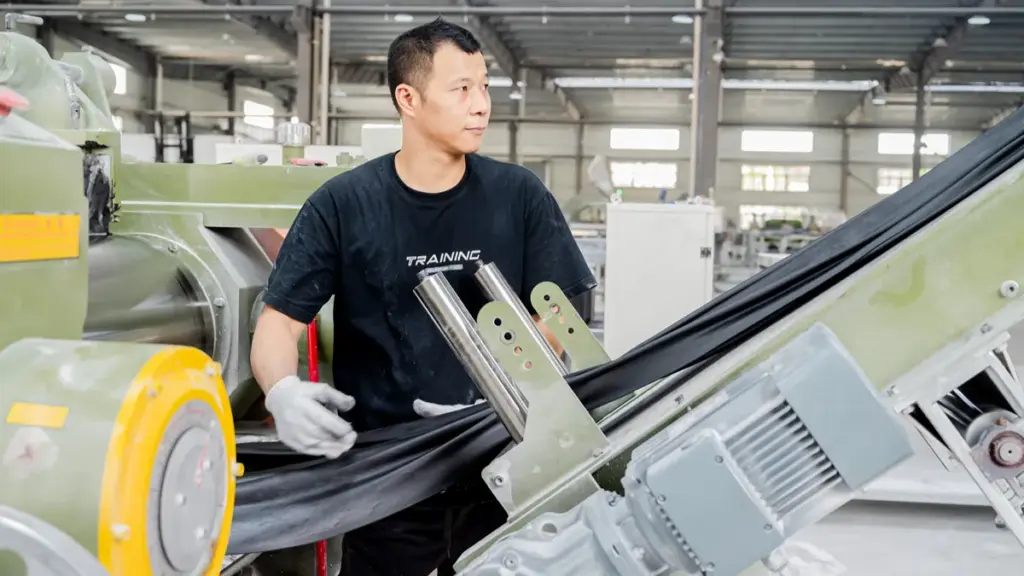
Der erste Produktionsschritt besteht darin, das Oberflächengewebe und die Grundmaterialien entsprechend den Produktanforderungen vorzubereiten. Unterschiedliche Anwendungen erfordern unterschiedliche Materialkombinationen. Zum Beispiel, Gaming-Produkte konzentrieren sich normalerweise auf reibungslose Mausbewegungen und genaues Tracking, Bei Büroprodukten hingegen stehen Komfort und Haltbarkeit im Vordergrund.
Die Oberflächenschicht besteht üblicherweise aus Polyestergewebe, da es eine glatte Textur bietet, unterstützt detailliertes Drucken, und bietet eine stabile Maussteuerung. Die Basisschicht besteht in der Regel aus Natur- oder Synthesekautschuk, Dies verhindert Bewegungen während des Gebrauchs und sorgt gleichzeitig für Flexibilität und Dämpfung.
Bevor die Produktion beginnt, Materialien werden auf wichtige Spezifikationen überprüft, einschließlich Dicke, Textur, Elastizität, und Oberflächenqualität. Bei OEM-Großaufträgen ist eine konsequente Materialvorbereitung besonders wichtig, da selbst kleine Unterschiede zwischen Chargen das endgültige Benutzererlebnis beeinträchtigen können.
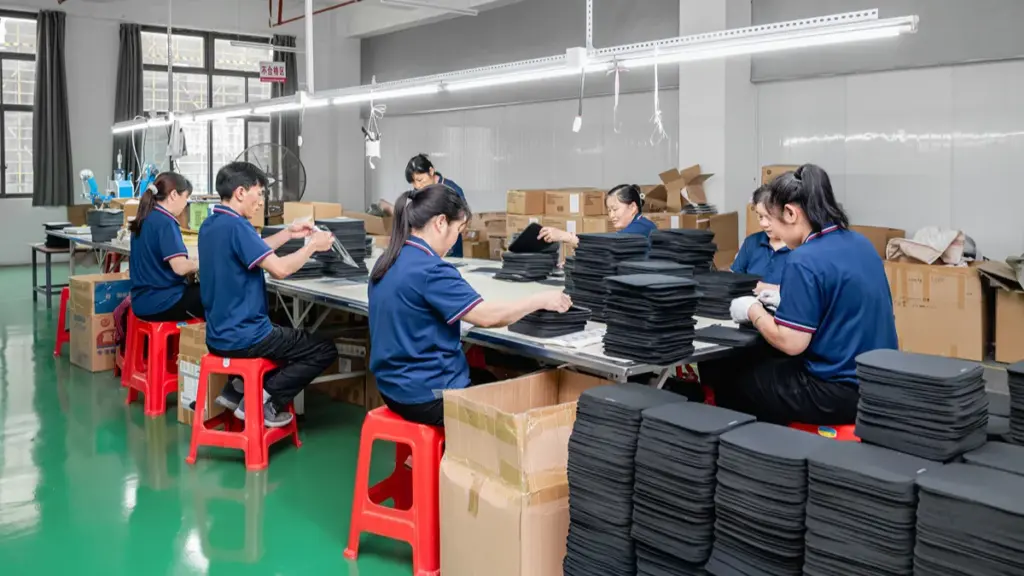
Bei Sanxing Tech, Wir verwalten Großserienfertigung mit mehr als 50.000 Quadratmetern Produktionsanlagen und mehreren Produktionslinien, Sie helfen uns, eine stabile Materialhandhabung und eine gleichbleibende Produktionsqualität für verschiedene Mauspad-Projekte aufrechtzuerhalten.
Schritt 2: Drucken von Grafiken und Oberflächenveredelung
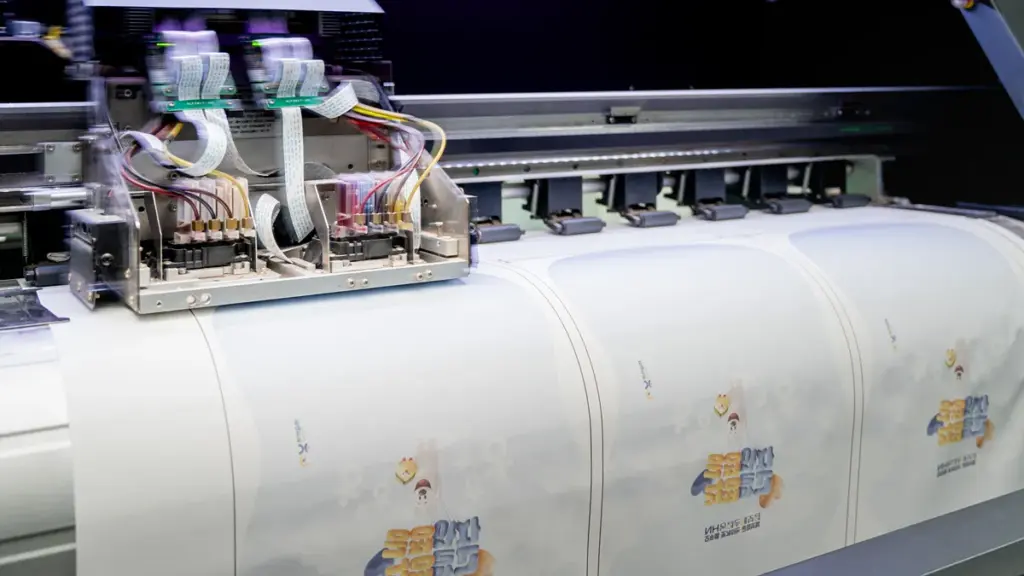
Für individuelle Gaming-Mauspads, Die Druckqualität spielt sowohl für das Erscheinungsbild als auch für die Leistung eine wichtige Rolle. Der Druckprozess muss genaue Farben und klare Details liefern und gleichzeitig die ursprüngliche Oberflächentextur beibehalten, die für die Mausverfolgung geeignet ist.
Zu den gängigen Druckverfahren gehört die Farbsublimation, Wärmeübertragung, und andere kundenspezifische Drucklösungen. Die Farbsublimation wird häufig für Mauspads aus Stoff verwendet, da sie detaillierte Muster ermöglicht, Logos, und vollflächige Designs, die Teil des Stoffes werden, anstatt einfach auf der Oberfläche zu sitzen.
Während dieser Phase, Hersteller kontrollieren mehrere Faktoren, einschließlich:
- Farbkonsistenz zwischen Produktionschargen
- Grafische Ausrichtung auf Produktabmessungen
- Haltbarkeit des Drucks nach wiederholtem Gebrauch
- Oberflächengefühl nach dem Drucken
Für Gaming-Marken und Werbeprojekte, Die Fähigkeit, genehmigte Designs konsistent zu reproduzieren, ist von entscheidender Bedeutung, insbesondere bei der Produktion von Tausenden von Einheiten für globale Märkte.
Schritt 3: Laminieren der Oberfläche auf die Gummibasis
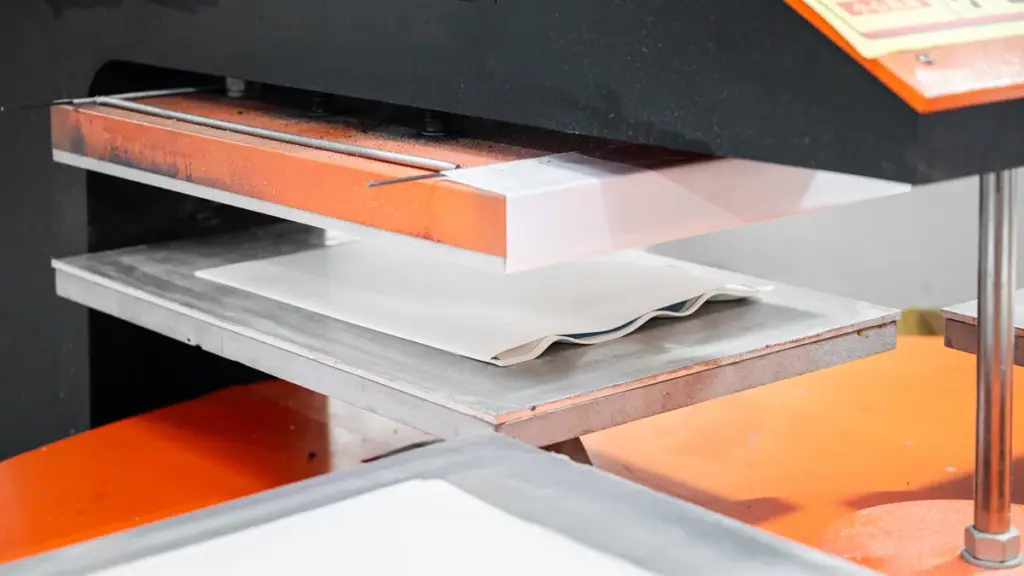
Nach dem Drucken, Durch den Laminierungsprozess wird die Stoffoberfläche mit der Gummibasis verbunden. Dieser Schritt erstellt die endgültige Verbundstruktur des Mauspads und wirkt sich direkt auf die Ebenheit aus, Haltbarkeit, und Gesamtleistung.
Ein qualitativ hochwertiger Laminierprozess erfordert eine genaue Temperaturkontrolle, Druck, und Bindungszeit. Wenn die Schichten nicht richtig kombiniert sind, Probleme wie Luftblasen, unebene Oberflächen, Bei längerem Gebrauch kann es zu einer Trennung zwischen den Schichten kommen.
Sanxing Tech wendet kontrollierte Produktionsprozesse an, einschließlich fortschrittlicher Temperaturmanagement- und Kalandriertechnologie, um die Stabilität der Schichtbindung zu verbessern und eine gleichbleibende Produktqualität bei großvolumigen Bestellungen aufrechtzuerhalten.
Nach dem Laminieren, Das Material wird konditioniert und geprüft, um sicherzustellen, dass die Oberfläche flach und bereit für die nächsten Produktionsschritte bleibt.
Schritt 4: Präzise Gelinjektion für ergonomische Mauspads und Handgelenkauflagen
Im Gegensatz zu Standard-Mauspads, Ergonomische Mauspads und Handballenauflagen erfordern zusätzliche Fertigungsprozesse, um komfortable Auflageflächen zu schaffen.
Der Gelinjektionsprozess bestimmt die Form, Festigkeit, und Unterstützungsgrad des Handgelenkbereichs. Hersteller müssen das Füllvolumen und die Verteilung kontrollieren, um sicherzustellen, dass jedes Produkt einen gleichbleibenden Komfort bietet.
Ein gut gestaltetes ergonomisches Mauspad sollte ausreichend Halt bieten, ohne sich zu hart oder zu weich anzufühlen. Die Höhe, Kurve, und der Übergang zwischen Mausbereich und Handgelenkstütze beeinflussen alle das endgültige Benutzererlebnis.
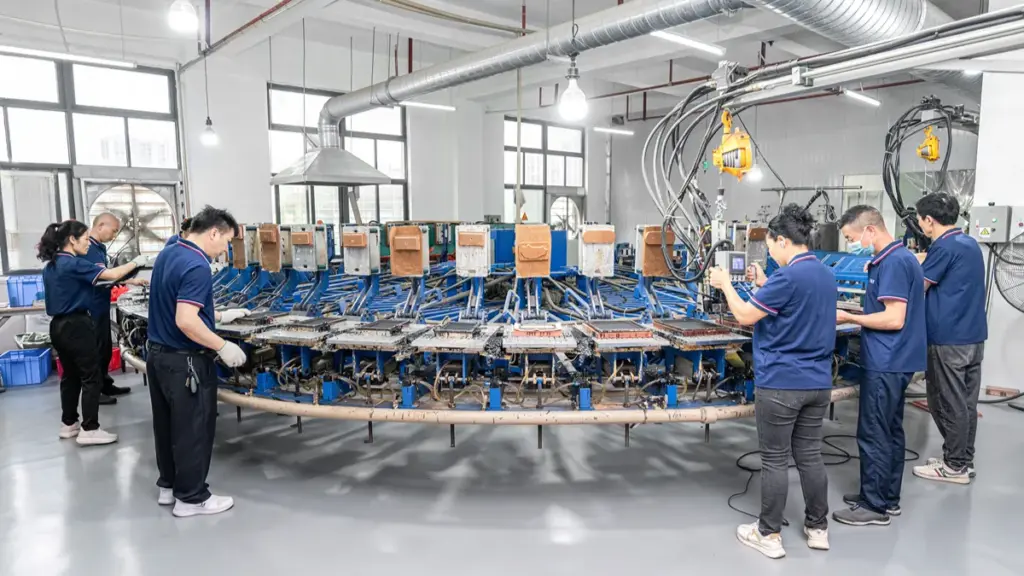
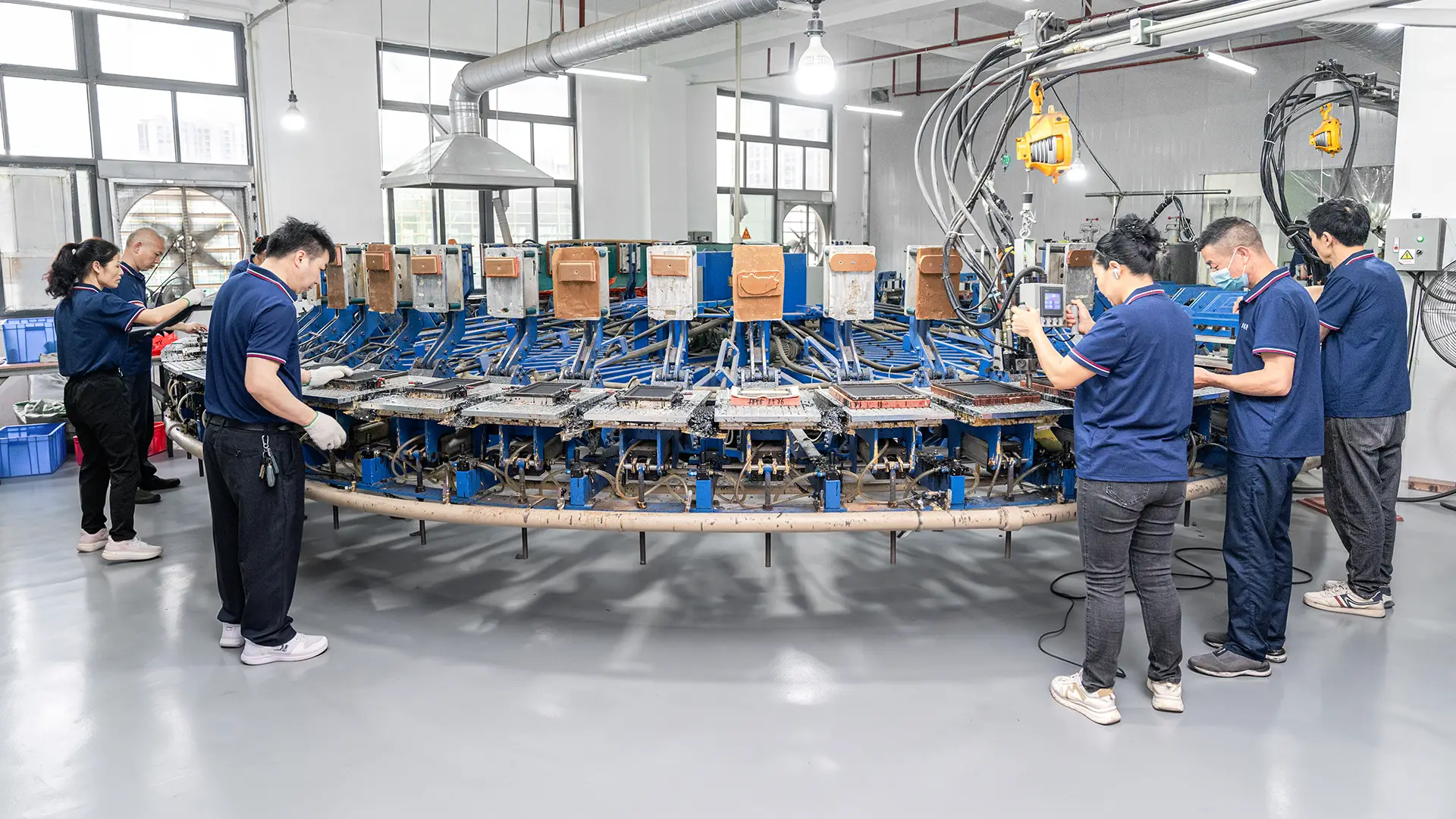
Für ergonomische Produkte, Für die Herstellung von Handgelenkschonern nutzen wir eine kreisförmige Förderanlage, trägt dazu bei, die Produktionseffizienz zu verbessern und gleichzeitig eine gleichbleibende Form- und Füllqualität aufrechtzuerhalten.
Schritt 5: Präzises Schneiden und Kantennähen
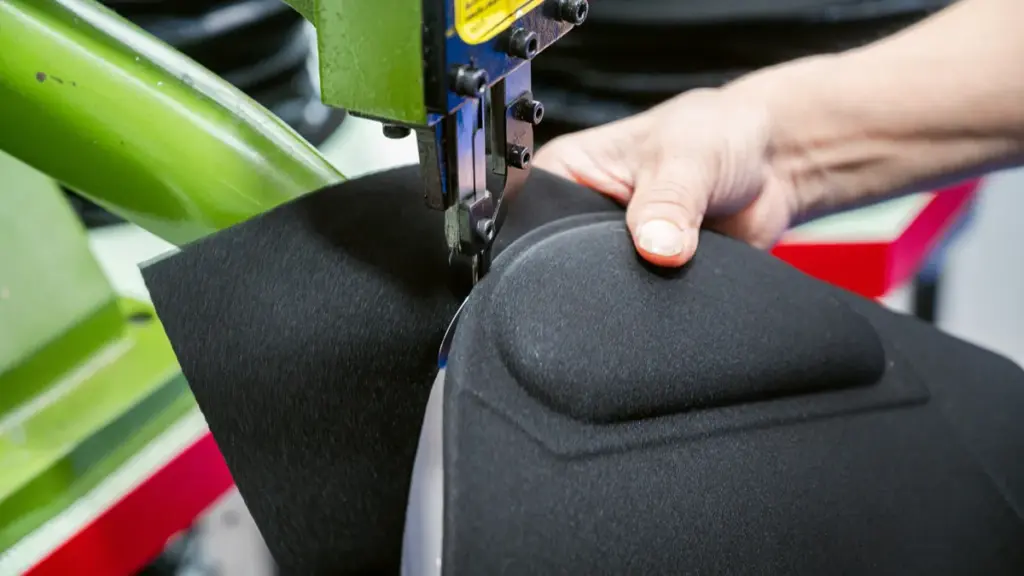
Sobald das laminierte Material fertig ist, Es wird in die endgültige Form des Mauspads geschnitten. Durch präzises Schneiden wird sichergestellt, dass jedes Produkt die erforderlichen Abmessungen erfüllt, ob es sich um ein Standard-Mauspad handelt, erweitertes Gaming-Pad, oder individuell gestaltete Form.
Zu den gängigen Schneidmethoden gehört das Stanzen, Laserschneiden, und andere Präzisionsschneidprozesse. Die gewählte Methode hängt von der Produktstruktur ab, Materialeigenschaften, und Anpassungsanforderungen.
Für Gaming-Mauspads mit genähten Kanten, Kantennähte sorgen für zusätzliche Haltbarkeit und verhindern, dass sich der Stoff mit der Zeit trennt oder ausfranst. Der Nähvorgang erfordert eine gleichmäßige Fadenspannung und einen gleichmäßigen Fadenabstand, um sowohl das Aussehen als auch die Festigkeit zu erhalten.
Für OEM-Projekte, Hersteller müssen außerdem sicherstellen, dass unterschiedliche Größen und Designs bei großen Produktionschargen genau reproduziert werden können.
Schritt 6: Qualitätsprüfung und Leistungstests
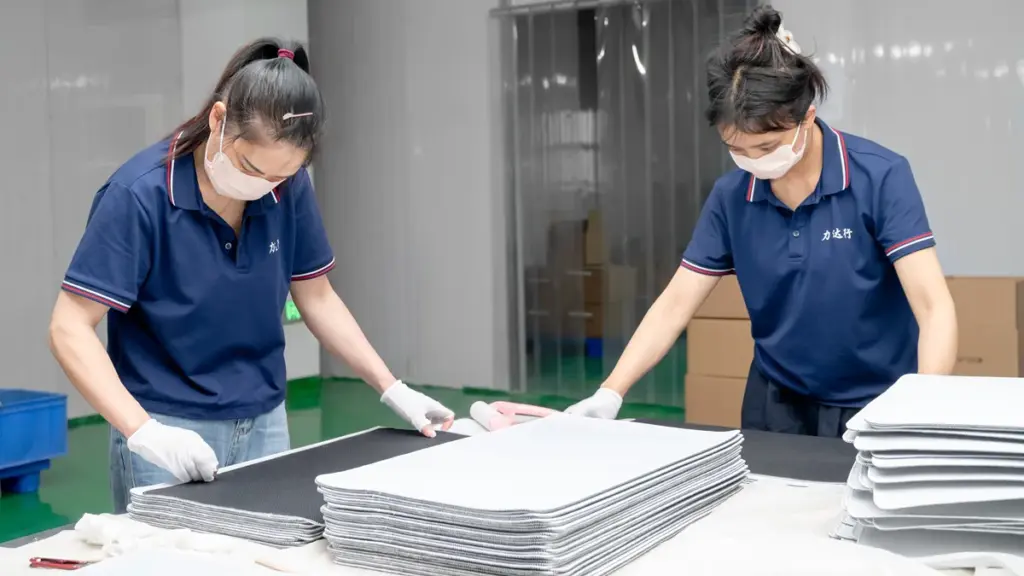
Die Qualitätsprüfung ist ein wichtiger Bestandteil der Herstellung von Mauspads, da Kunden bei einer Großbestellung eine gleichbleibende Leistung aller Einheiten erwarten.
Zu einem zuverlässigen Qualitätskontrollprozess gehört in der Regel Folgendes::
- Aussehenskontrolle: Druckqualität prüfen, Oberflächenfehler, Flecken, Falten, und Nähprobleme.
- Dimensionsprüfung: Länge messen, Breite, und Dicke, um sicherzustellen, dass die Produkte den Spezifikationen entsprechen.
- Ebenheitsprüfung: Auf Curling prüfen, Verformung, oder unebene Oberflächen.
- Klebeprüfung: Stellt sicher, dass die Stoff- und Gummischichten fest haften.
- Leistungstests: Beurteilung der Oberflächenbeschaffenheit, rutschfeste Leistung, und Haltbarkeit.
Für OEM-Produktion, Qualitätsstandards werden in der Regel vor Beginn der Massenproduktion durch genehmigte Muster bestätigt. Dadurch wird sichergestellt, dass jede Sendung den Erwartungen des Kunden entspricht.
Wir befolgen strenge Qualitätsmanagementprozesse, die durch Zertifizierungen und Prüfstandards unterstützt werden, einschließlich ISO9001, ISO14001, SGS, RoHS, und REACH-Anforderungen, abhängig von der Produktkategorie und den Kundenbedürfnissen.
Schritt 7: Verpackung und Massenversand
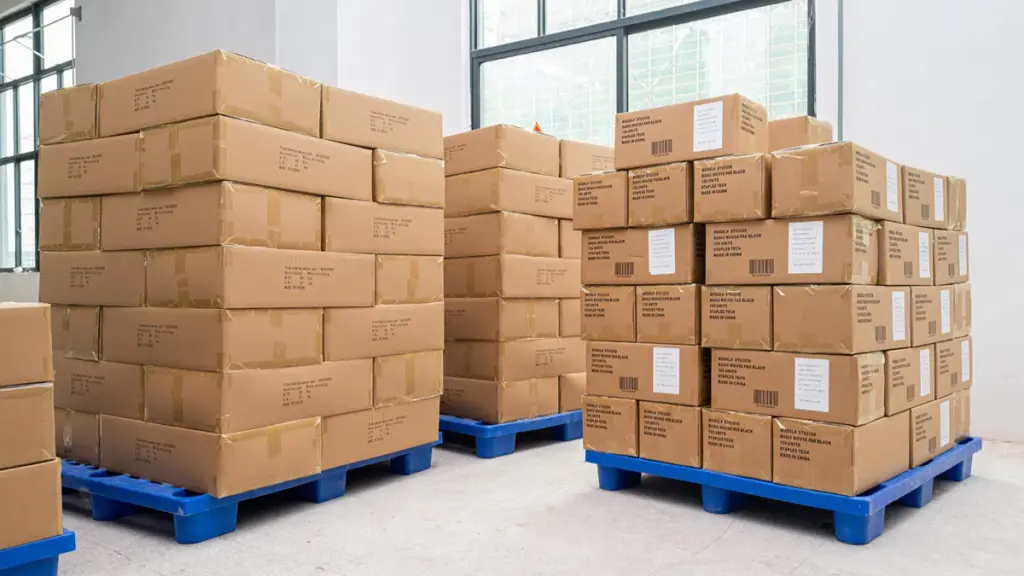
Nach der Endkontrolle, Fertige Mauspads werden für die Verpackung und den Versand vorbereitet. Verpackungsdesign muss Produkte vor Staub schützen, Feuchtigkeit, Kompression, und Verformung während des Transports.
Für Großbestellungen, Hersteller bieten in der Regel maßgeschneiderte Verpackungslösungen an, die auf den Kundenanforderungen basieren, einschließlich Eigenmarken, Produktinformationen, Kartonmarkierungen, und Exportverpackungen.
Bei großen Gaming-Mauspads ist die richtige Verpackung besonders wichtig, da unsachgemäße Handhabung beim Transport zu vorübergehenden Wellen oder Formproblemen führen kann. Ein gut kontrollierter Verpackungsprozess trägt dazu bei, dass die Produkte bereit für den Einzelhandel oder die Lagerung im Lager ankommen.
Mit Produktionserfahrung in verschiedenen Mauspad-Kategorien, Sanxing Tech unterstützt globale Kunden mit flexiblen OEM-Lösungen, einschließlich Produktanpassung, Verpackungsmöglichkeiten, und Großserienfertigung.
Durch kontrollierte Prozesse von der Materialauswahl bis zur Endkontrolle, Ein professioneller OEM-Gaming-Mauspad-Lieferant kann Marken dabei helfen, eine gleichbleibende Qualität zu erreichen, zuverlässige Leistung, und langfristigen Produktwert.
Was beeinflusst die Qualität von OEM-Gaming-Mauspads??
Wir isolieren die wichtigsten physikalischen und chemischen Kennzahlen, die die Produktion professioneller OEM-Gaming-Mauspads definieren, Der Schwerpunkt liegt auf der Stabilität der Rohstoffe, Sensorkalibrierung, und Haltbarkeit der Laminierung.
Beim Kauf von OEM-Gaming-Mauspads, Tracking-Fehler und vorzeitiges Ausfransen deuten oft direkt auf kompromittierte Werksstandards hin. Marken müssen über das oberflächliche Branding hinausblicken, um die physischen Komponenten zu bewerten, die die langfristige Haltbarkeit und Leistung auf dem Schreibtisch bestimmen.
Zusammensetzung und Widerstandsfähigkeit des Grundmaterials
Standardisierte Basismaterialien bestimmen den Lebenszyklus jedes Performance-Pads. Billigere synthetische Ersatzstoffe verrutschen bei intensivem Spiel, Dies führt zu sofortigen Tracking-Problemen.
- Naturkautschuk und Poron: Diese Premium-Unterlagen bieten zuverlässigen Halt auf dem Schreibtisch und eine hohe Rückprallstabilität bei starkem Druck nach unten.
- 3mm bis 4 mm Dicke: Dieser spezielle Dickenbereich gleicht Mikrofehler auf der Tischoberfläche aus und polstert gleichzeitig das Handgelenk des Spielers.
- Formulierung mit hoher Dichte: Durch die dichte Schäumung werden physikalische Verformungen verhindert, sorgt dafür, dass die Lauffläche auch über Jahre hinweg täglicher Reibung vollkommen gleichmäßig bleibt.
Konsistenz des Oberflächengewebes und Sensorkompatibilität
Ein Spieler verlässt sich auf das Muskelgedächtnis, was direkt mit der Oberflächenreibung zusammenhängt. Kleinere physikalische Abweichungen in der Stoffbindung machen diese Vorhersagbarkeit zunichte, was zu Fehlschüssen führt.
- Enge Webeinheit: Minimiert Reibungsschwankungen sowohl auf der X- als auch auf der Y-Achse, um eine präzise Arbeit zu ermöglichen, Richtungsverfolgung.
- Sensorkalibrierung: Mikrotexturen wurden speziell für moderne optische Maussensoren entwickelt, um Cursor-Jitter und Tracking-Sprünge zu vermeiden.
- Flüssigkeitsbeständige Beschichtungen: Durch das gleichmäßige Auftragen hydrophober Beschichtungen wird Feuchtigkeit verhindert, Schweiß, und Verschüttungen durch eine Änderung der Gleitgeschwindigkeit.
Haltbarkeit der Oberflächen-zu-Basis-Laminierung und der Verklebung
Delaminierung ist der häufigste Grund, warum Benutzer Stoffpads wegwerfen. Wenn sich der Oberstoff ablöst, das Pad wird völlig unbrauchbar.
- Heißpresslaminierung: Kontrollierte Temperatur- und Druckprofile verhindern, dass die Stoffoberfläche Blasen bildet oder sich von der Gummibasis ablöst.
- Gleichmäßige Haftung: Eine gleichmäßige Leimverteilung garantiert eine gleichmäßige Ebenheit, vor allem im Großen, erweiterte Desktop-Größen.
- Eckzonentest: Durch Musterprüfungen vor der Produktion wird gezielt die Haftfestigkeit in den Eckbereichen überprüft, die der höchsten Schälbeanspruchung ausgesetzt sind.
Kantennaht und Schnittpräzision
Kanten stellen den primären physischen Kontaktpunkt mit dem Arm des Spielers dar. Schlecht verarbeitete Kanten verursachen Hautreizungen und führen zu einem schnellen Materialverfall.
- Flache Nähte: Verstärkte Nähte verhindern ein Ausfransen der Kanten, ohne dass eine Erhöhung entsteht, Schleifrand, der den Unterarm des Benutzers reizt.
- Mechanisches Kantenschneiden: Sauber, Durch präzises Schneiden werden die Ränder versiegelt, um eine vorzeitige Delaminierung und ein Anheben des Stoffes zu verhindern.
- Maßtoleranzen: Exakte Schneidsysteme stellen sicher, dass jedes fertige Pad der von der Marke angegebenen Länge entspricht, Breite, und Dicke.
Chemikalien-Compliance und Geruchsmanagement
Der Import von Gummiwaren erfordert die Einhaltung strenger Umweltgesetze. Ein Pad, das stark nach Chemikalien riecht, weist normalerweise auf Rohstoffe hin, die die Reinigungsprüfungen nicht bestanden haben.
- RoHS- und REACH-Konformität: Garantiert, dass alle Tinten, Klebstoffe, und die Grundmaterialien sind frei von eingeschränkt gefährlichen Farbstoffen und Schwermetallen.
- Geruchsreinigung: Durch die gründliche Verarbeitung der Rohkautschukmischungen werden flüchtige organische Verbindungen minimiert (VOCs) und chemische Gerüche vor dem Verpacken.
- Sicherheitsüberwachung: Ständige Kontrollen schützen globale Marken vor behördlichen Beschlagnahmungen und Grenzhürden.
Die Aufrechterhaltung einer strengen Qualitätskontrolle über diese fünf Säulen hinweg stellt sicher, dass die fertigen Produkte den anspruchsvollen Leistungsstandards des Gaming-Marktes entsprechen.
Bereit zur Zusammenarbeit mit Sanxing Tech für die OEM-Mauspad-Produktion?
Sanxing Tech bietet OEM- und ODM-Lösungen zur Herstellung von Mauspads für Gaming-Marken, Händler, Einzelhändler, und gewerbliche Käufer weltweit. Mit über 20 Jahre Erfahrung in der Fertigung, Wir unterstützen Projekte von der Produktentwicklung und Materialauswahl bis hin zur Massenproduktion und kundenspezifischen Verpackung.
Zu den wichtigsten Produktionsmöglichkeiten und Produktvorteilen gehören::
- Fabrikkapazität: Sanxing Tech betreibt zwei Produktionsstandorte mit mehr als 50,000㎡ Produktionsfläche und einer monatlichen Produktionskapazität von ca 1.5 Millionen Stück, Unterstützung sowohl der Prototypenentwicklung als auch großvolumiger OEM-Bestellungen.
- Produktionsvorteile: Mit vertikal integrierten Fertigungskapazitäten, Wir steuern wichtige Prozesse im eigenen Haus, inklusive Materialkalandrierung, Präzisionsspritzguss, Oberflächendruck, Laminierung, Schneiden, Nähen, und abschließende Qualitätskontrolle. Dieser integrierte Ansatz trägt dazu bei, die Produktionskonsistenz zu verbessern und Lieferzyklen zu verkürzen.
- Materielle Vorteile: Wir entwickeln Mauspads und ergonomische Produkte aus verschiedenen Materiallösungen, inklusive Stoff, Gummi, Silikon, und Gelstrukturen. Für ergonomische Mauspads und Handballenauflagen, Es können maßgeschneiderte Stützstrukturen entwickelt werden, um den Komfort und die langfristige Benutzerfreundlichkeit zu verbessern.
- Produktentwicklung: Wir unterstützen kundenspezifische Größen, Formen, Oberflächentexturen, Grafik, Verpackung, und Produktstrukturen für individuelle Gaming-Mauspads, verlängerte Schreibtischunterlagen, ergonomische Handballenauflagen, und andere OEM-Peripherieprodukte. Unser Engineering-Team kann Sie bei der Produktoptimierung vom Konzept bis zur Produktion unterstützen.
- Qualität und Zertifizierungen: Sanxing Tech befolgt internationale Qualitätsmanagementanforderungen, mit Zertifizierungen und Compliance-Funktionen, einschließlich ISO9001, ISO14001, SGS, RoHS, ERREICHEN, BSCI, GRS, und GSV um unterschiedliche Marktanforderungen zu unterstützen.
Wenn Sie eine neue Mauspad-Kollektion planen oder einen zuverlässigen OEM/ODM-Mauspad-Hersteller suchen, Kontaktieren Sie Sanxing Tech noch heute, um Ihre Produktspezifikationen zu besprechen, Zielmenge, Zertifizierungsanforderungen, und Projektzeitplan.
Häufig gestellte Fragen
Aus welchen Materialien werden Mauspads hergestellt??
Die meisten handelsüblichen Mauspads bestehen aus einem mehrschichtigen Verbundwerkstoff. Hersteller stellen die Basisschicht aus Naturkautschuk her, synthetisches SBR, Neopren, oder Polyurethanschaum für Halt und Polsterung auf dem Schreibtisch. Die Oberseite besteht aus gewebtem Polyester- oder Nylongewebe, um eine reibungslose Führung zu gewährleisten, während Varianten mit harter Oberfläche strukturiertes Polymer verwenden, Aluminium, gehärtetes Glas, oder Leder.
Wie befestigen Hersteller Stoff an einem Gummi-Mauspad??
Mithilfe spezieller Laminierungstechniken binden Hersteller Stoff auf Gummibasis. Über Walzenauftragsmaschinen tragen sie dünne Schichten industrieller Kontaktklebstoffe oder lösungsmittelfreier Acrylfarben auf, Oder sie verwenden hitzeaktivierte, schmelzbare Klebevliese. Die kombinierten Schichten durchlaufen beheizte Andruckwalzen oder Flachpressen, um Lufteinschlüsse zu beseitigen, Delamination verhindern, und sorgen Sie für eine ebene Auflagefläche.
Welche Druckmethode wird für Gaming-Mauspads verwendet??
Die Farbsublimation auf Polyestergewebe ist die vorherrschende Druckmethode für weiche Gaming-Mauspads. Bei diesem Verfahren werden gespiegelte Grafiken mithilfe von Sublimationstinten auf Transferpapier gedruckt, Anschließend wird eine flache Heißpresse bei 185–205 °C verwendet (365–400°F) um den Farbstoff dauerhaft in die Polyesterfasern einzubetten. Dadurch wird sichergestellt, dass der Druck bei starker Mausbewegung niemals reißt oder abblättert. Harte Pads verwenden typischerweise den direkten Druck mit UV-gehärteter Tinte.
Warum wellen sich manche Mauspads nach der Produktion??
Kräuseln entsteht, wenn sich zwischen der laminierten Stoffoberseite und der Gummibasis innere Spannungen aufbauen. Ungleiche Wärmeausdehnung beim Heißpressen, ungleichmäßige Kühlung, Überhöhte Kantennahtspannung, oder Unterschiede in der Feuchtigkeitsaufnahme führen dazu, dass sich eine Schicht stärker zusammenzieht als die andere. Hersteller verhindern dies, indem sie vorgeschrumpfte Stoffe verwenden, Optimierung der Nähmaschinenspannung, und Kühlbleche flach unter gleichmäßigem Gewicht.
Wie testen Hersteller die Qualität von Mauspads??
Mauspadfabriken können Abmessungen überprüfen, Dicke, Ebenheit, Drucken, Oberflächenzustand, Randnaht, Laminierungsstärke, rutschfeste Leistung, Verschleißfestigkeit, und Wasserbeständigkeit. Für OEM-Projekte, Die Tests basieren normalerweise auf genehmigten Mustern und vereinbarten Produktspezifikationen.