How to Choose a Gaming Mouse Pad for Different Play Styles
Choosing the right gaming mouse pad starts with understanding who will use it. For gaming brands, OEM buyers, distributors, and retailers, selecting the right gaming mouse pad for different play styles can improve product positioning, customer satisfaction, and long-term sales performance.
In this guide, we’ll explain how different gaming play styles affect mouse pad selection, compare the key features buyers should evaluate, and provide practical recommendations for choosing or developing gaming mouse pads for different target markets.
Why Play Style Matters When Choosing a Gaming Mouse Pad
The table below summarizes the typical requirements of different player groups.
| Player Type | Typical Mouse Movement | Preferred Surface | Recommended Size | Purchasing Priority |
|---|---|---|---|---|
| FPS Players | Large arm movements | 控制 | XL / XXL | Precision and consistency |
| MOBA & RTS Players | Fast wrist movements | Balanced speed and control | L / XL | Fast response and smooth tracking |
| MMO Players | Mixed movements | Balanced | XL | Long-session comfort |
| Casual Gamers | General daily use | Versatile cloth surface | M / L / XL | Comfort, durability, and design |
How Game Genre and Aiming Style Dictate Friction Needs
Different competitive genres test your physical coordination in completely unique ways. A surface that excels in a slow, methodical shooter will actively hold you back in a frantic arena title where you must constantly track vertical movement.
- Tactical Shooters (Valorant, CS2): Require high-control cloth surfaces to assist with pixel-precise micro-adjustments and immediate stopping power.
- Fast-Paced Tracking Games (Apex Legends, Overwatch): Demand low-friction hard or hybrid surfaces to support continuous, rapid tracking without physical resistance.
- RTS and MOBA Titles (Dota 2, StarCraft II): Benefit from consistent, low-drag glide to facilitate rapid, repetitive UI navigation across the screen.
Mouse Pad Recommendations for FPS Players
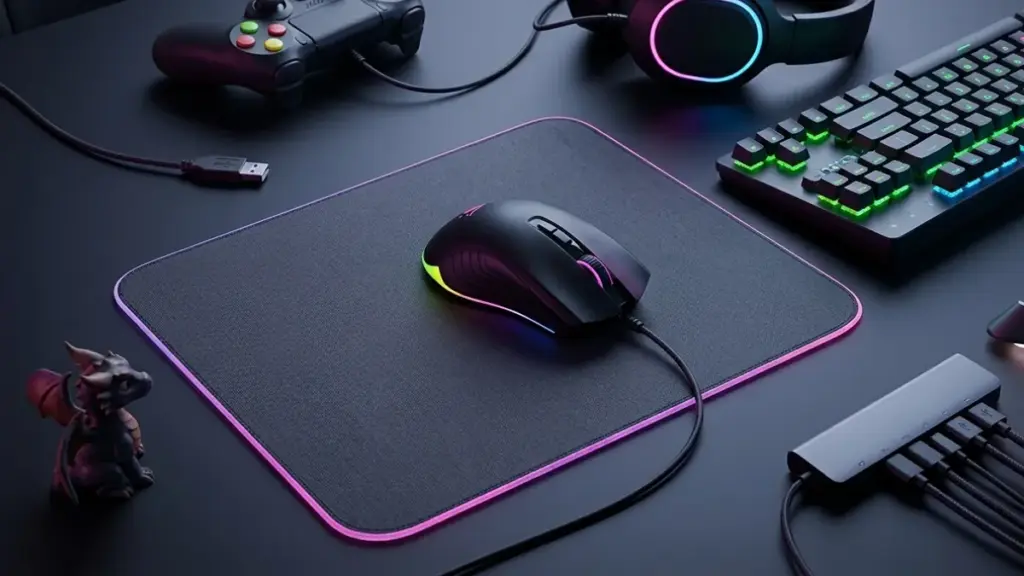
Your mouse pad choice directly dictates your aim consistency by setting the physical friction limits for every flick, micro-adjustment, and tracking motion you make.
| Aim Style / Priority | Recommended Surface Type | Example Models |
|---|---|---|
| Fast low-sense flicks | Speed cloth / low friction | Glorious Elements Ice, HyperX Fury S Speed, Artisan Hien |
| Precision and micro-control | Control cloth / high friction | Artisan Zero, Textured control pads |
| Mixed playstyle (hybrid) | Balanced / hybrid | Artisan Hayate Otsu, Mid-speed cloth pads |
| Budget FPS setup | Speed or hybrid, large size | Corsair MM300 Pro, Redragon Kunlun P006 |
High-Speed Cloth Pads for Aggressive FPS Play
Aggressive playstyles require rapid cursor repositioning and effortless tracking. Speed-focused cloth surfaces lower physical resistance to keep target acquisition immediate during chaotic, high-mobility engagements.
- Surface Texture: Smooth or lightly textured cloth surfaces designed specifically to minimize both static and dynamic friction.
- Aim Behavior: Optimizes fast-paced tracking and wide, sweeping flick shots where instant physical response is critical.
- Key Models: Glorious Elements Ice for a glass-infused glide, HyperX Fury S Speed for low dynamic resistance, and Artisan Hien for high speed paired with a unique rough texture.
Control-Oriented Cloth Pads for Precision Aim
Tactical shooters demand pixel-perfect crosshair placement. High-friction control surfaces offer the resistance needed to arrest mouse momentum instantly, mitigating overshooting when holding tight angles or executing long-range micro-adjustments.
- Surface Texture: Heavily textured or structured cloth weaves that increase tactile feedback and physical resistance.
- Aim Behavior: Delivers maximum stopping power and stability, making it easier to lock onto specific targets and execute fine corrections.
- Key Models: Artisan Zero for premium, highly uniform structured control, and various large-format textured cloth pads designed for competitive low-sensitivity players.
Balanced and Hybrid Pads for Versatile Aiming Styles
Many modern shooters present a mix of fast tracking and sudden, precise click-timing demands. Hybrid surfaces bridge the gap, preventing your movements from feeling muddy without sacrificing your ability to stop the mouse accurately.
- Surface Texture: Specialized synthetic blends that offer a slick initial glide but compress under pressure to increase stopping power.
- Aim Behavior: Balances low static friction for quick initiation with adequate physical feedback at the end of a rapid swipe.
- Key Models: Artisan Hayate Otsu, a highly regarded hybrid that positions itself perfectly between the speed-focused Hien and control-focused Zero.
Budget-Friendly and Reliable Mainstream Options
You do not need to import expensive artisan gear to get a competitive surface. Highly dependable mainstream options provide the baseline performance metrics required for serious competitive play at accessible price points.
- Surface Texture: Tight, uniform weaves that ensure reliable optical sensor tracking and consistent physical glide.
- Durability Features: Stitched edges that resist fraying under heavy forearm friction, and non-slip textured rubber bases to lock the pad to your desk.
- Key Models: Corsair MM300 Pro for spill-resistant cloth durability, and the Redragon Kunlun P006 for a generous, large-scale surface area on a budget.
Scale Your Brand With Premium Ergonomic Gear
Mouse Pad Recommendations for MOBA and RTS Players
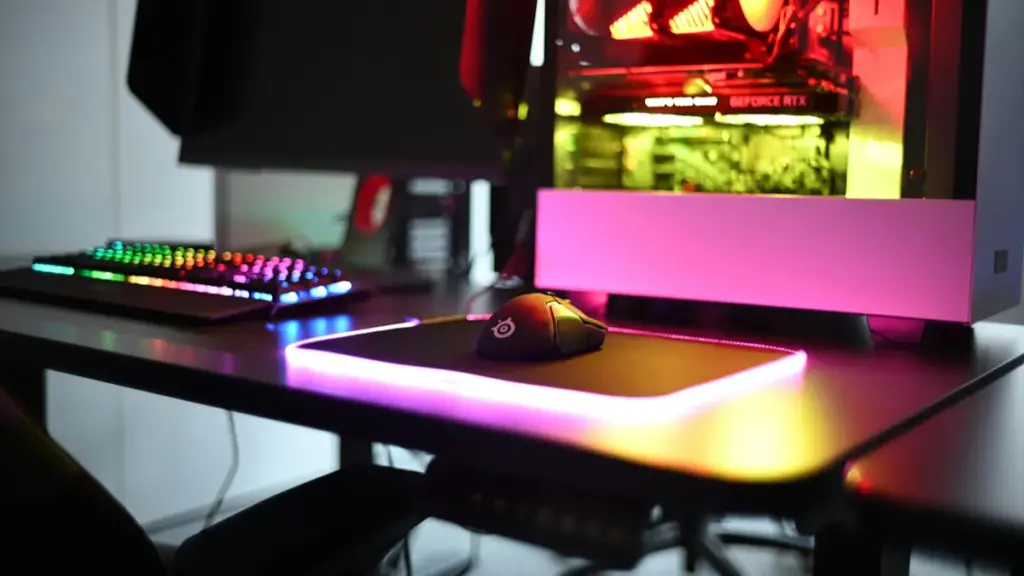
MOBA and RTS gaming demands high-precision click accuracy and stable stopping power, making medium-to-large cloth control pads the optimal choice over ultra-slick speed surfaces.
Core Performance Needs for MOBA and RTS Gaming
Unlike tactical shooters that focus heavily on holding static angles, strategy and battle arena titles require continuous, rapid cursor overhead management. Your mouse pad must support constant target acquisition without causing physical strain over multi-hour sessions.
- High precision: Crucial for accurate unit selection, targeted skill shots, and rapid ability placement.
- Consistent glide: Supports frequent short flicks and medium-length cursor movements across the screen.
- Predictable stopping power: Provides critical last-second target corrections to prevent overshooting active UI elements.
- Long-term comfort: Prevents forearm and wrist fatigue during extended training blocks and tournament matches.
Surface Type Comparison: Cloth vs Hard Pads
The friction profile of your surface directly dictates your targeting accuracy. While hard surfaces allow effortless gliding, they strip away the physical feedback required for micro-flicks.
- Cloth textile surfaces: Provide higher static friction, superior control, and better wrist comfort during long competitive sessions.
- Hard plastic or hybrid surfaces: Offer fast, low-friction glide and excellent durability but introduce a high risk of overshooting critical targets.
- Player performance baseline: Most MOBA and RTS players perform best with cloth control or balanced surfaces rather than ultra-slick speed pads.
Optimal Size and Base Stability Requirements
High actions-per-minute (APM) sequences put immense physical force on your peripheral setup. If your mouse pad slips even a few millimeters during a chaotic team fight, your muscle memory calibration resets instantly.
- Medium to large dimensions: Ranging from 300 x 250 mm to 400 x 300 mm to prevent running off the edge during rapid camera pans.
- Anti-slip rubber bases: Essential for keeping the textile locked to the desk during high-APM macro and micro-management.
- Thickness of 3 mm to 4 毫米: Cushions the forearm and smooths out desk surface unevenness for consistent sensor tracking.
Choosing the Right Glide Profile: Artisan Reference Guide
Using the industry-standard Japanese Artisan lineup as a benchmark helps clarify how different texture weaves affect speed and stopping control.
- Control-first preference: Artisan Zero-style pads deliver high friction, uniform texture, and reliable stopping power.
- Balanced speed and control: Artisan Hayate Otsu-style hybrid pads balance quick panning with reliable micro-adjustments.
- Speed-first preference: Artisan Hien-style pads offer fast glide with a rougher texture, recommended only for high-control experts.
Buyer Profiles and Cost-Per-Month Considerations
Choosing the right pad requires matching your specific competitive dedication with the long-term durability of the fabric weave.
- Competitive rank climbers: Need large, uniform cloth control pads to build and maintain consistent, repeatable muscle memory.
- Casual players: Benefit from affordable, durable control pads that focus on basic stability, comfort, and ergonomics.
- Cost-per-month metric: Helps justify investing in premium, wear-resistant pads that maintain their original glide properties far longer than budget options.
Mouse Pad Recommendations for Casual Gamers
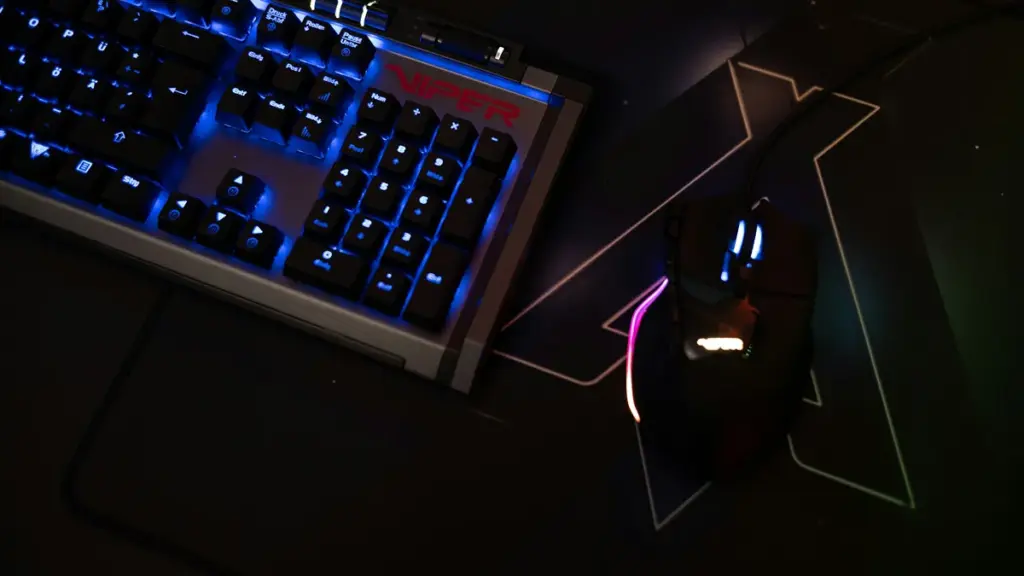
Casual gamers get the best versatility and value from a medium-to-large cloth hybrid pad that balances smooth tracking with reliable stopping power.
Optimal Surface Type and Texture
Choosing the right surface texture directly impacts your cursor precision and tracking consistency across different gaming genres. While specialized setups target extreme speed or heavy friction, daily use requires a surface that handles both quick movements and controlled stops.
- Control and hybrid surfaces: These textures provide the ideal balance of friction and glide, making them highly versatile for everyday desktop tasks and mixed game genres.
- Smooth speed surfaces: This style lowers physical friction to enable rapid swipes in fast-paced shooters, but it offers minimal stopping power when you need to make precise cursor selections.
- Cloth control pads: This category supports strategic games and varied play styles by offering reliable, tactile resistance during micro-movements.
Size Profiles Matching Setup and Sensitivity
Your desk dimensions and mouse sensitivity settings dictate how much physical space your pad must cover. Operating on a pad that is too small forces constant mouse lifting, which disrupts tracking during critical moments.
- Medium pads: These formats fit standard office desks perfectly and align well with mixed DPI settings ranging between 400 and 1000.
- Large or XL/XXL formats: These expansive sizes easily accommodate low-sensitivity players who rely on sweeping arm movements for aiming.
- Small pads: This profile serves limited desk setups and high-DPI configurations where you control the cursor with minimal hand and wrist motion.
Material, Construction, and Comfort
The physical build of a mouse pad determines how comfortable it remains over multi-hour sessions and how flat it lies on your desk surface. Raw materials directly influence wrist fatigue and sensor tracking reliability.
- Soft cloth surfaces: Combining fabric tops with dense rubber or Poron bases prevents the pad from sliding while cushioning your wrist during long play sessions.
- Hard and plastic surfaces: These options prioritize rapid flicks and raw speed, but they generate more glide noise and offer less comfort for your forearm.
- Medium-thickness pads: Selecting a pad with a balanced cushion supports your arm comfortably without causing the mouse feet to sink and compromise sensor tracking.
Durability and Edge Quality
Daily friction from your wrist and mouse cable can quickly degrade poorly constructed materials. Investing in key physical features prevents the layered components of your pad from separating over time.
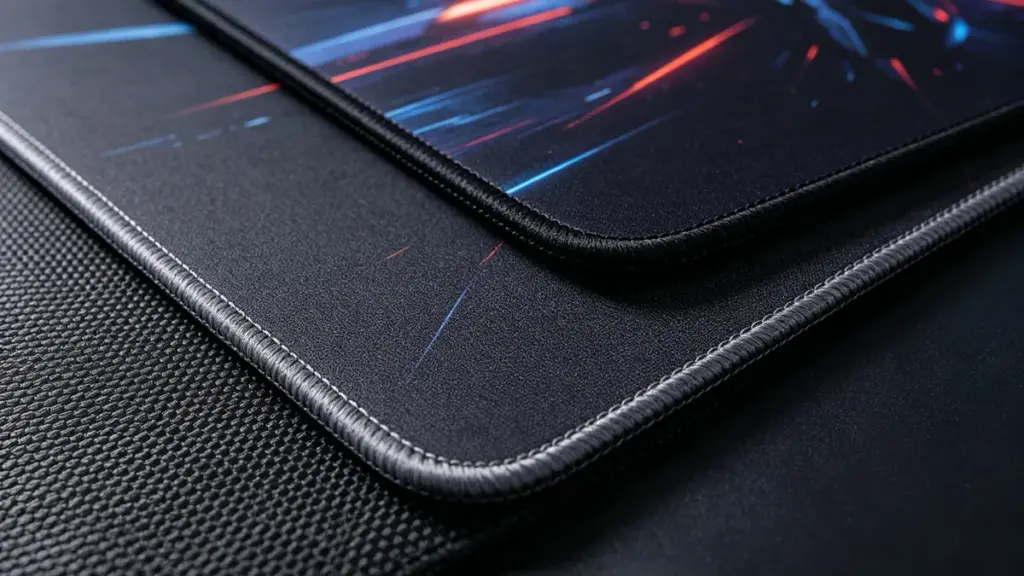
- Stitched edges: Reinforced borders lock the fabric and base layers together, preventing unsightly fraying or peeling at the contact points.
- High-quality fabric weaves: Tighter weaves maintain a uniform glide across the entire surface and resist the wear caused by repetitive hand friction.
- Mid-range recognized brands: Opting for reliable, well-reviewed options ensures the core materials retain their flat shape and original texture over months of use.
Value and Price Considerations
You do not need to spend enthusiast-level money to get a highly reliable tracking surface. Mid-range options offer the sweet spot in build quality and longevity for everyday gaming setups.
- Price-to-performance ratio: Mid-range cloth surfaces deliver excellent tracking consistency and durability without the high price tag of competitive-grade gear.
- Standard pricing: Reliable standard-sized pads generally start around 20 USD, while larger desk-mat formats command slightly higher prices due to the extra material.
- Target requirements: Casual play does not demand premium, specialized surfaces; a well-constructed, stitched mid-range option satisfies all standard gaming and office needs.
Key Factors to Consider Before Buying Mouse Pads
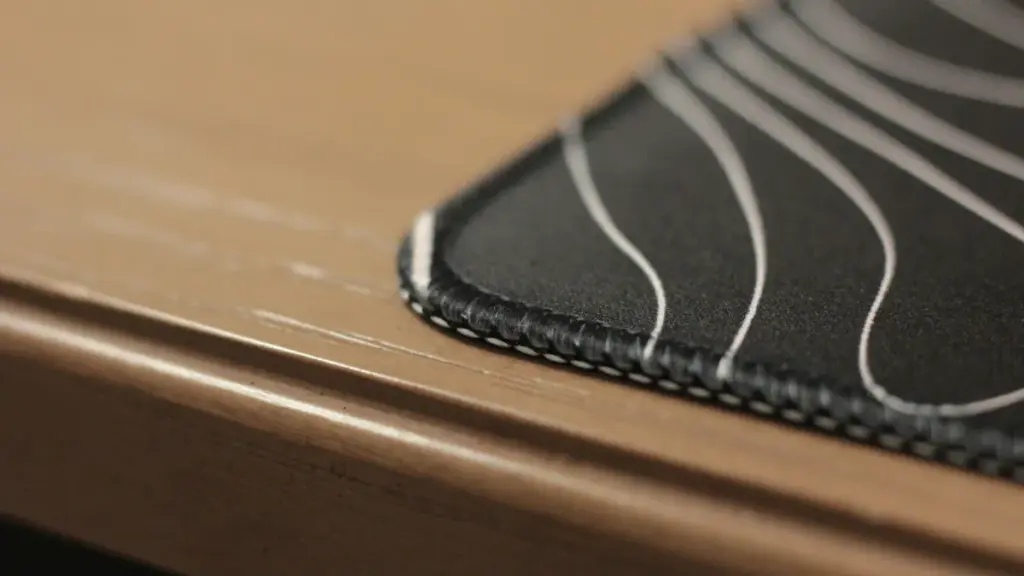
Aligning your mouse pad’s surface texture, physical dimensions, base thickness, and edge durability with your specific gaming genre prevents aim inconsistency and premature wear.
Surface Material and Performance
The surface material directly affects mouse tracking, glide, and durability. Premium cloth remains the most popular choice because it provides a balance between speed and control, making it suitable for most gaming scenarios. Depending on the target market, materials such as natural rubber, PORON®, silicone, or leather can also add value to specific product lines.
At Sanxing Tech, we offer multiple material options for OEM gaming mouse pads, helping brands develop products tailored to different gaming preferences and market segments.
Size and Thickness
Size plays an important role in both gaming performance and user experience. While standard mouse pads remain popular for office use, XL and XXL desk mats have become the preferred choice for gaming setups. Popular sizes such as 800 × 300 mm and 900 × 400 mm provide enough room for low-DPI movements and full desktop coverage.
For brands developing custom gaming mouse pads, Sanxing Tech supports a wide range of standard and custom dimensions with flexible production and fast sampling, helping customers reduce development time and tooling costs.
Surface Texture and Construction
A gaming mouse pad should deliver consistent performance throughout its entire surface. Speed surfaces are designed for quick mouse movement, while control surfaces provide better stopping power for precise aiming. Equally important are details such as stitched edges, anti-slip rubber bases, and strong fabric bonding, all of which improve durability and long-term performance.
With advanced production equipment and strict quality control, Sanxing Tech ensures consistent surface texture, stable thickness, and reliable edge construction across every production batch.
Customization Capabilities
Many gaming brands look beyond standard products to create collections that reflect their own identity. Custom sizes, full-color printing, logo branding, retail packaging, and private-label solutions all help products stand out in a competitive market.
As an experienced manufacturer of custom gaming mouse pads, Sanxing Tech provides complete OEM and ODM services, allowing customers to customize materials, 方面, thickness, artwork, packaging, and branding based on their target market.
Manufacturing Capacity and Supply Reliability
A reliable supply partner is essential for maintaining product quality and delivery schedules. When sourcing through gaming mouse pad wholesale channels, buyers should evaluate production capacity, quality management, certifications, and long-term manufacturing stability—not just pricing.
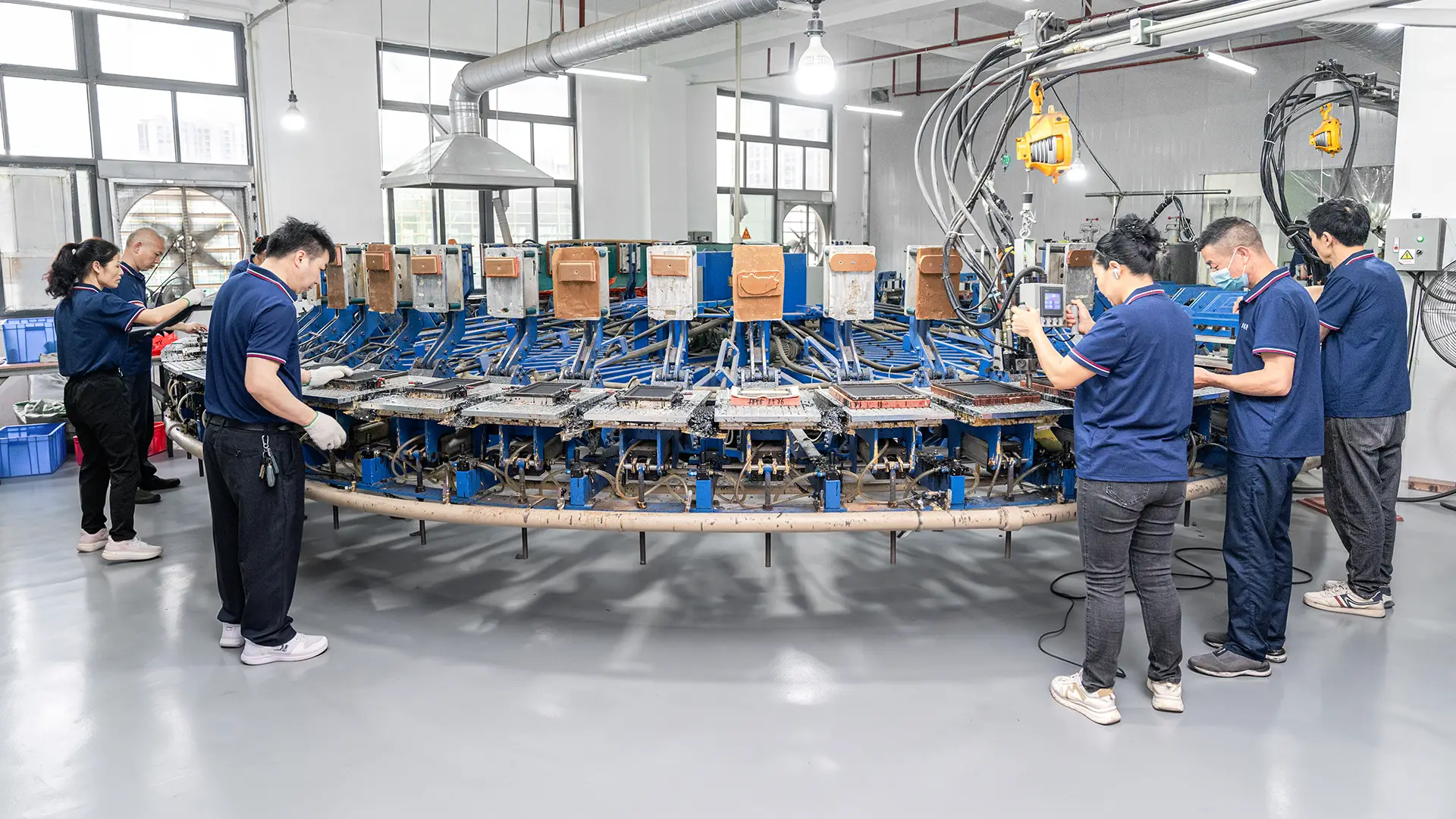
With 50,000+ m² of manufacturing facilities, 11+ production lines, and a monthly capacity of 1.5 million pieces, Sanxing Tech supports brands, distributors, and wholesalers with scalable production, international certifications, and dependable OEM manufacturing services. This enables customers to launch new products with confidence while ensuring consistent quality from sampling to mass production.
Need a Custom Gaming Mouse Pad for Your Target Market?
Whether you’re building a gaming accessories brand or expanding your product range, working with the right manufacturer can help you bring products to market more efficiently.
Sanxing Tech provides OEM and ODM gaming mouse pad solutions for brands, distributors, wholesalers, and promotional product companies worldwide.
Why work with us?
- 50,000+ m² manufacturing facilities with a monthly capacity of 1.5 million pieces
- 11+ specialized production lines for stable, large-volume production
- Natural rubber, PORON®, silicone, PU foam, and leather material options
- Advanced production technology for consistent thickness, surface quality, and printing
- 代加工 & ODM customization, including size, thickness, logo, packaging, and private labeling
- International certifications, including SGS, 有害物质限制指令, 抵达, 国际标准化组织 9001, BSCI, and GRS
Whether you need a standard gaming desk mat or a fully customized product, our team can help you develop a solution that fits your target market and brand positioning.
Frequently Asked Questions
What gaming mouse pad should I get?
The ideal gaming mouse pad depends on your primary game types and aiming style. For tactical shooters like Valorant or CS2, a control pad (such as the Artisan FX Zero or LGG Saturn Pro) provides the stopping power needed for precise micro-adjustments. For fast-paced arena shooters, a speed pad (like the Artisan Hien) offers low friction for rapid tracking. Ensure you choose at least a Large or XL size (minimum 45×40 厘米) if you play on low sensitivity, with a thicknss of 3–4 mm for optimal desk comfort.
What type of mouse pad is best for FPS games?
A large cloth pad with a control or balanced hybrid surface is generally best for FPS games. Tactical FPS players require high stopping power and friction to assist with headshots and stable crosshair placement, making control cloth pads the industry standard. Fast-paced, movement-heavy shooters benefit more from hybrid or speed surfaces that allow effortless tracking. Regardless of surface, a thickness of 3 mm or more and a reliable non-slip rubber or Poron base are critical to prevent the pad from sliding during intense duels.
Is a hard or soft mouse pad better for gaming?
It depends on whether you prioritize speed or control. Hard pads (made of glass, plastic, or metal) offer ultra-low friction and fast glide, which helps with rapid tracking but lacks stopping power. Soft cloth pads provide cushioned wrist support, quiet operation, and higher friction, making them far better for precise aiming and micro-corrections. Because of their versatility, comfort, and affordability, soft cloth pads remain the dominant choice for most gamers and competitive players.
Does mouse pad size matter for low DPI gaming?
是的, mouse pad size is highly critical for low DPI gaming. Because low sensitivity requires large physical arm sweeps to turn or aim in-game, small pads will cause you to run out of tracking space (padding out) mid-fight. Low DPI players should target Large or XL pads—ideally 45 x 40 cm or larger—or extended desk mats (900 x 400 毫米) to ensure complete freedom of movement without constantly lifting and repositioning the mouse.
What is the difference between speed and control mouse pads?
The main difference lies in their friction profile and surface texture. Speed pads feature smooth, tightly woven cloth or hard materials that minimize static and dynamic friction, allowing the mouse to glide effortlessly. Control pads feature rougher, more textured cloth weaves that compress slightly under pressure, creating higher friction that acts as a natural brake to help you stop your mouse exactly on target.
What thickness is best for a gaming mouse pad?
A thickness of 3 mm is the ideal all-around sweet spot for most gamers, balancing comfort, stability, and desk feel. Thinner 2 mm pads offer a firmer, more direct glide but transmit desk imperfections. Thicker 4–5 mm pads provide extra cushioning and wrist support, making them excellent for long gaming sessions, uneven desk surfaces, or players who press their wrists down heavily.
Do gaming mouse pads wear out?
是的, gaming mouse pads are consumable items that wear out over time. Continuous friction, wrist sweat, skin oils, dust, and UV exposure degrade the fabric fibers and rubber bases. This leads to inconsistent glide, ‘sticky’ patches, edge fraying, or sliding on the desk. While budget cloth pads may need replacement after 6–12 months of heavy use, premium cloth or hybrid pads can maintain competitive performance for 12–24 months, and hard pads can last 3–5 years.