Custom Packaging and Logo Printing for Gaming Mouse Pad Orders
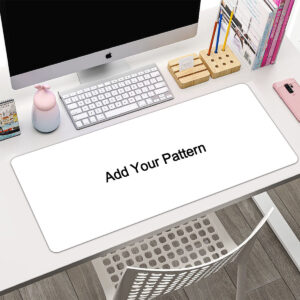
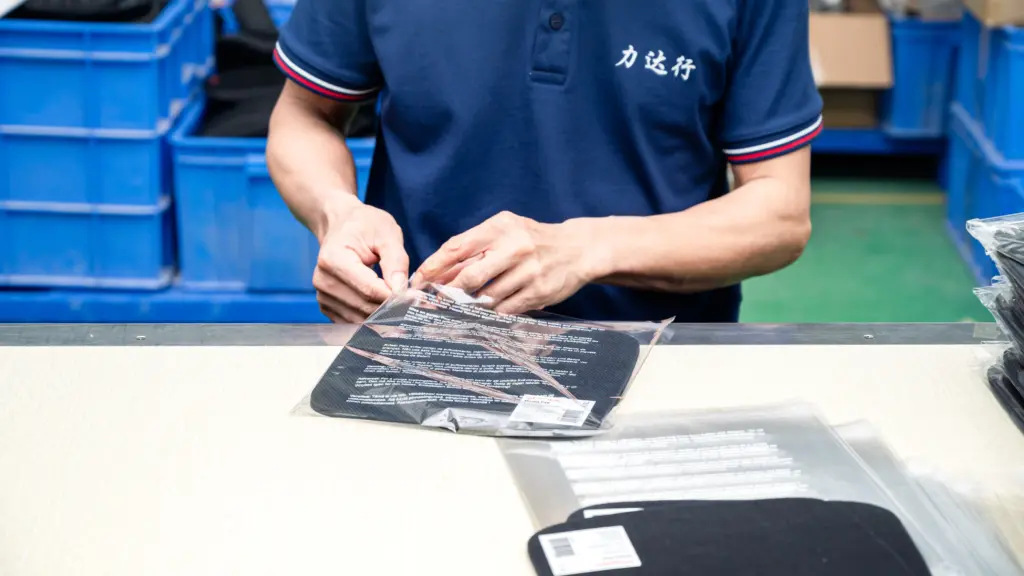
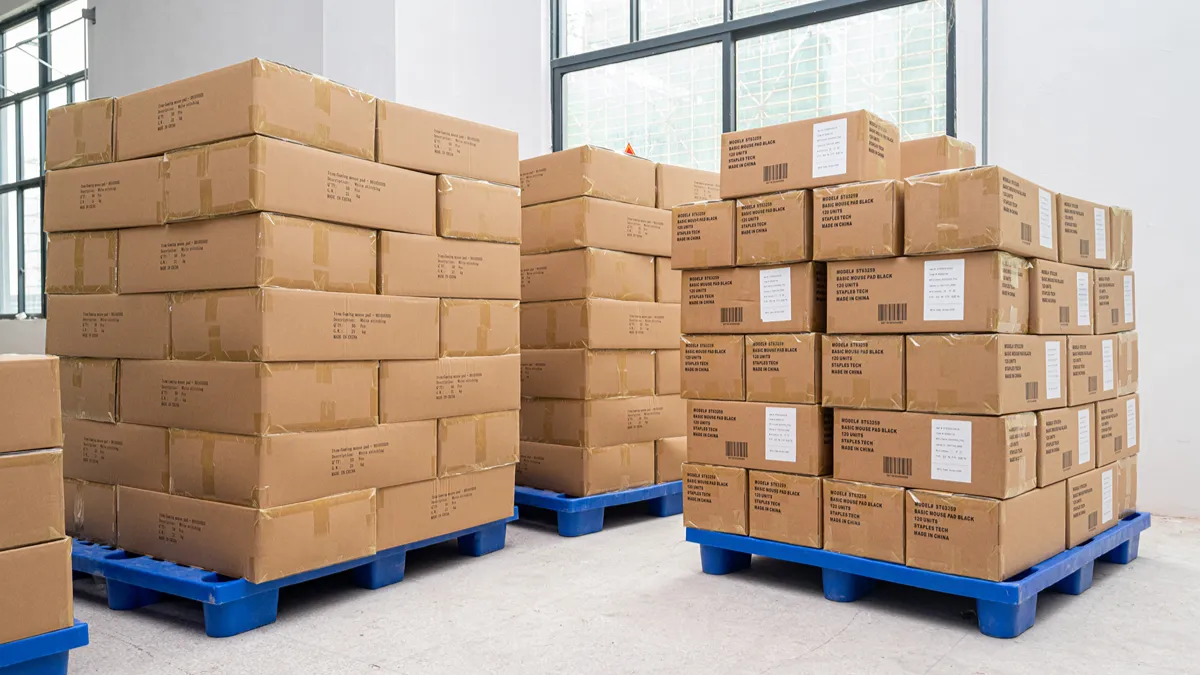
Custom packaging and logo printing can change how a gaming mouse pad is priced, displayed, and sold. For brands, distributors, and retailers, the packaging is part of the product cost and also part of the buying experience. A well-planned package protects the mouse pad during shipping, gives retailers a clear shelf-ready product, and puts the brand in front of the customer before the product is even opened.
For bulk gaming mouse pad orders, packaging and printing should be confirmed at the same time as size, surface, backing, thickness, and artwork. The right format depends on the product size, sales channel, shipping method, and target price. This guide covers the main packaging formats, logo printing options, artwork requirements, custom packaging costs, lead times, and common labeling requirements.
Key takeaways before the details:
- Packaging formats: polybag, printed color box, rigid gift box, and mailer-ready carton, all produced in-house.
- Logo methods: silk screen, dye sublimation, UV print, laser etch, and embossed PU, matched to pad material and order size.
- MOQ: 100 pcs on existing molds with silk-screen or sublimation logo; 500 pcs on fully custom printed boxes.
- Lead time: 10 naar 15 days OEM once artwork is approved, backed by 1.5 million pads of monthly capacity.
- Compliance: GS1 barcodes, FTC country-of-origin labeling, OEKO-TEX certified fabric inputs, and RoHS / CE on the pad family.
Why Packaging Decides The Shelf Price
| Packaging Factor | Effect on the Order |
|---|---|
| Material | Determines basic packaging cost and protection |
| Package Size | Affects carton quantity and shipping efficiency |
| Printing | Adds color, plate, setup, or digital printing costs |
| Finishing | Options such as matte coating or spot effects increase cost |
| Packing Method | Influences labor and packing speed |
| Product Fit | Helps prevent creases, movement, or damage |
| Retail Presentation | Can support a higher shelf price |
Retail buyers make a margin decision in under ten seconds. They look at the pack, read the price point, and decide whether the SKU belongs on a peg hook, in an endcap, or in the clearance bin. A gaming mouse pad in a plain polybag reads as a $6.99 impulse item. The same pad in a printed color box with a window reads as a $14.99 gift item. The pad did not change; the shelf story did.
Promotional buyers run the same math in reverse. A corporate gift program pays for perceived value, not for material cost. A branded pad delivered in a rigid gift box with a magnetic closure lands differently at a client’s office than the same pad in a polybag, even when the unit cost difference is under $1.20. Our corporate gifting program is built around that gap: the packaging carries the message, the pad carries the daily use.
For distributors selling into retail chains, packaging is also a compliance surface. Barcode placement, country-of-origin marking, and safety warnings are printed on the box, not on the pad. A missing or misplaced element triggers a chargeback or a rejected delivery, and the cost of that rejection is always larger than the cost of getting the artwork right the first time.
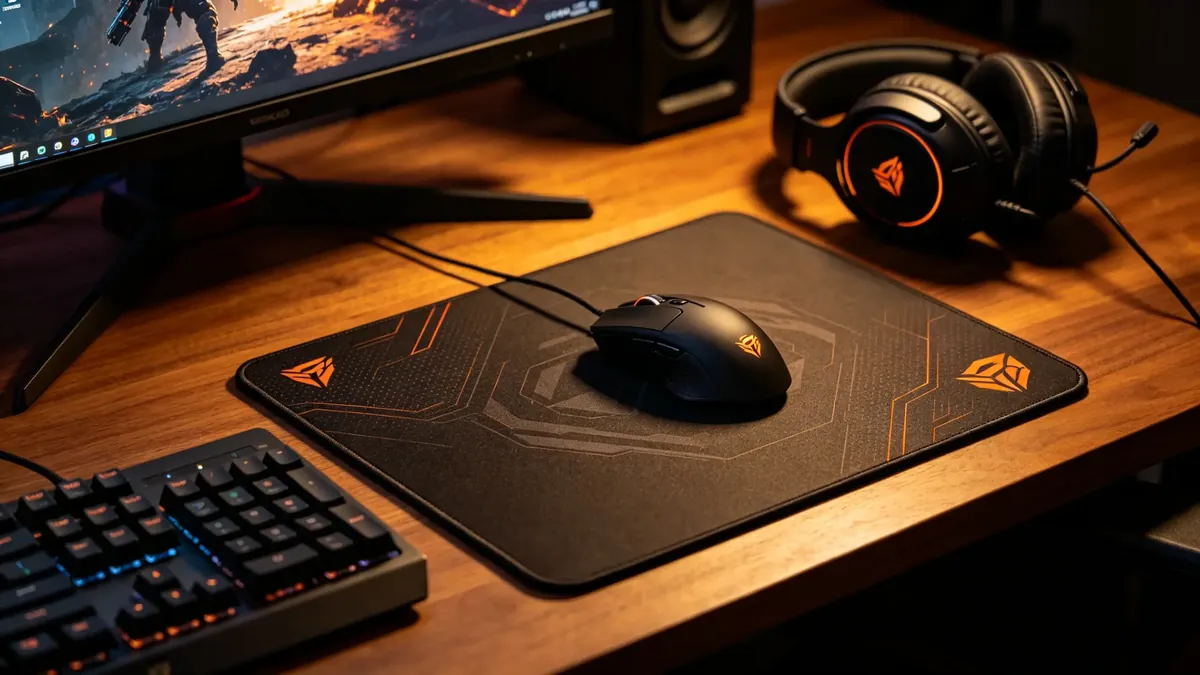
Packaging Formats Compared
Sanxing runs four packaging formats in-house. Each one is matched to a specific sales channel, and choosing the wrong one is the most common cost leak we see in first-time custom orders.
| Format | Best For | MOQ | Added Cost Per Unit |
|---|---|---|---|
| Polybag with header card | Peg-hook retail, Amazon FBA, promotional giveaways | 100 pcs | $0.08 – $0.25 |
| Printed color box with window | Mid-tier retail, electronics chains, gift sets | 500 pcs | $0.35 – $0.80 |
| Rigid gift box with magnetic closure | Relatiegeschenken, esports team kits, premium retail | 300 pcs | $1.20 – $2.80 |
| Mailer-ready carton with insert | DTC subscription boxes, ecommerce fulfillment | 500 pcs | $0.50 – $1.10 |
Two rules guide the choice. First, the packaging cost should stay under 15 percent of the target retail price, otherwise the margin structure collapses at the distributor level. Second, the packaging should survive the destination channel: a rigid gift box shipped to a retail chain that expects shelf-ready cartons is a wasted upgrade, and a polybag shipped to a corporate gifting program is a wasted opportunity.
Every format is produced under the same roof as the pad itself. That matters because it removes the handoff delay between pad production and packaging production, which is where most custom orders lose three to five days. Our mouse pad manufacturing walkthrough shows how the pad and packaging lines are scheduled together.
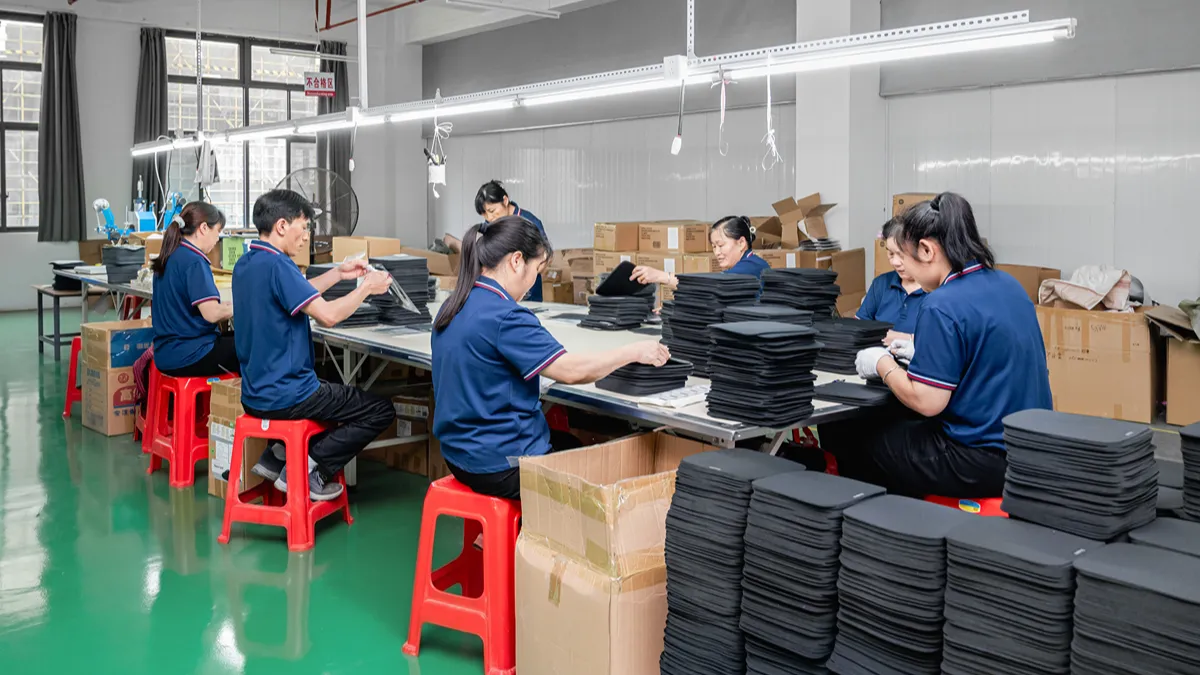
Logo Printing Methods For Gaming Mouse Pads
Five methods cover almost every custom logo mouse pad order we run. The right choice depends on the pad material, the number of colors in the logo, and the order quantity. Picking the wrong method is the second most common cost leak, right after packaging format.
Silk Screen Printing
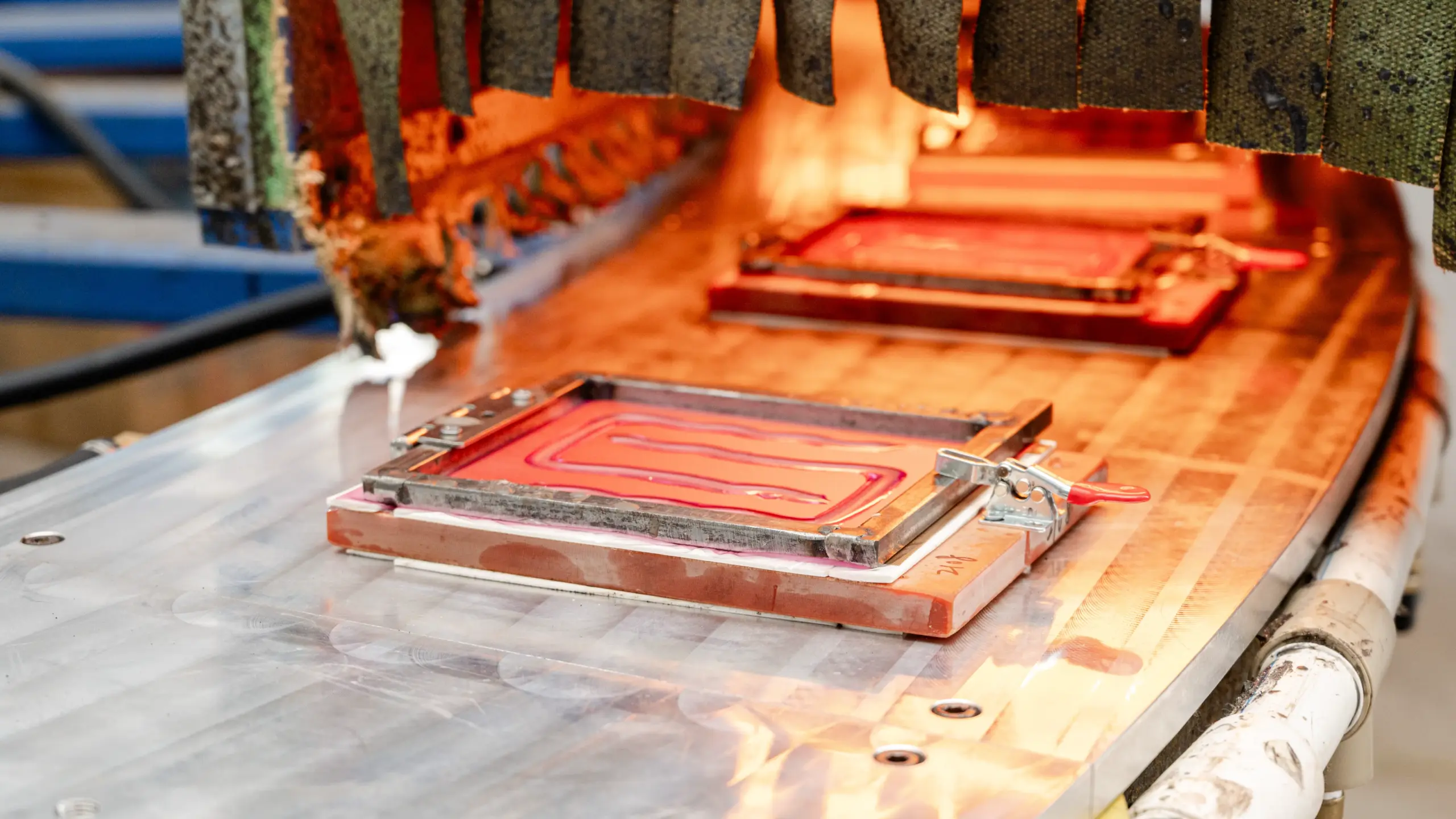
The default for cloth-top rubber pads at 500 pcs and above. Ink is pushed through a mesh screen onto the pad surface, one screen per color. Cost per unit drops sharply with quantity because the screen setup is amortized across the run. Best for solid-color logos, one to four colors, and long production runs. Not ideal for photographic gradients or fine detail below 0.5 mm.
Dye Sublimation
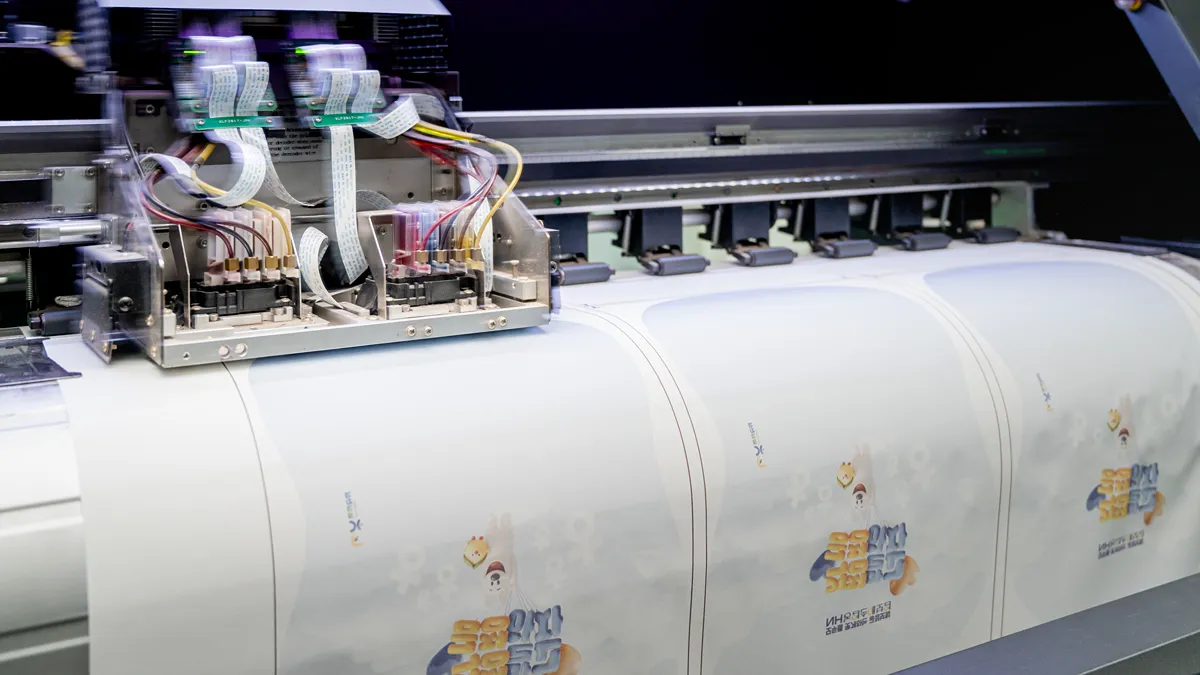
Full-color printing on polyester cloth tops. The design is printed on transfer paper first, then heat-pressed into the fabric so the ink becomes part of the fiber rather than sitting on top. This is the method behind our gaming mouse pads with photographic artwork, esports team crests, and gradient designs. No color limit, no crack risk, and the print survives the full life of the pad.
UV Print
Direct-to-substrate printing cured with UV light. Works on hard surfaces that sublimation cannot touch: aluminum pads, acrylic pads, and PU-leather tops. Higher cost per unit than screen printing, but no screen setup, so it is the right choice for short runs of 100 naar 500 pcs on hard-surface pads.
Laser Etch
Permanent mark burned into aluminum or anodized metal surfaces. No ink, no color, no wear. Used for premium metal pads where the logo needs to outlive the pad itself. Cost per unit is higher than printing, but the finish reads as premium and justifies a higher retail price.
Embossed PU Leather
A heated die presses the logo into PU-leather desk pads, leaving a raised or recessed mark. Common for corporate gifting programs where the brand wants a tactile finish rather than a printed one. Die cost is one-time; per-unit cost is low once the die exists.
Have a logo and a target retail price? Send us the artwork, the pad material, and the order quantity. We will recommend the print method, the packaging format, and return a landed cost estimate inside one working day.
MOQ 100 pcs | In-house packaging | 10-15 day lead time
Artwork And Prepress: What Your Designer Needs To Hand Over
Good packaging production starts with a complete artwork package. Sending only a logo image and product photo often creates extra questions during prepress and can delay production.
For a custom gaming mouse pad package, the designer should normally prepare:
- Editable artwork in AI, EPS, or PDF format
- The correct packaging dieline
- CMYK artwork for standard print production
- Vector logos where possible
- High-resolution product images
- Fonts converted to outlines when required
- Clear bleed and safe-area settings
- Barcode artwork with sufficient quiet space
- Product information and warning text
- Confirmed dimensions and folding positions
The dieline is especially important. It defines where the package will be cut, folded, glued, or assembled. Important text and logos should not sit too close to cutting or folding lines.
Bleed should also be included where the background extends to the edge of the package. Without enough bleed, small white edges may appear after cutting.
For packaging with multiple languages, the final text should be checked before artwork approval. Changing product information after the packaging has entered production can lead to reprinting costs.
A useful workflow is to separate the process into three approvals: artwork approval, packaging sample approval, and mass-production approval. This gives both the buyer and manufacturer a clear point to confirm the final design before a large quantity is produced.
MOQ, Tooling, And Lead Time For Custom Packaging Orders
Custom packaging changes the MOQ conversation. A pad on an existing mold runs at 100 pcs, but a fully printed color box needs a printing plate and a cutting die, and those tools cost money to make. Here is how the numbers actually break down.
| Order Type | MOQ | Tooling Cost | Lead Time |
|---|---|---|---|
| Existing pad + polybag with header card | 100 pcs | None | 10 days |
| Existing pad + printed color box | 500 pcs | $120 – $280 one-time | 12 – 15 days |
| Existing pad + rigid gift box | 300 pcs | $200 – $450 one-time | 15 days |
| Custom pad shape + full custom packaging | 500 – 1,000 pcs | $400 – $900 (pad mold + box die) | 18 – 25 days |
Tooling is refundable against repeat orders on most programs, but only if the reorder lands within 12 months and the specification stays unchanged. Write the refund clause into the contract before you sign. Our OEM and ODM process page documents the standard tooling terms we work with.
Lead time assumes artwork is approved on day one. Every day the proof sits in review adds a day to the production schedule, because the printing plate and the cutting die cannot be made until the file is locked. For time-sensitive programs, book the production slot before the artwork is final, and pay the slot-holding fee. It is cheaper than expedited freight.
Labeling Compliance: Barcodes, Origin, And Safety Marks
Packaging is a legal surface. Three categories of marking are non-negotiable for any custom logo mouse pad that ships to a Western retail channel.
Barcodes
Retail chains and Amazon scan against the GS1 US standard. The UPC or EAN barcode must be printed at the correct size, on a flat panel, with a quiet zone of at least 5 mm on each side. Printing the barcode on a curved surface or over a seam causes scan failures at the distribution center, and the chargeback lands on the supplier. Sanxing prints barcodes on the back panel of every color box as standard, and confirms the FNSKU or UPC format with the buyer before production.
Country Of Origin
US imports require a visible country-of-origin marking under the FTC labeling rules. For mouse pads, “Made in China” is printed on the back panel of the box and on a sewn-in label inside the pad edge. The marking must be legible, permanent, and conspicuous enough that a retail buyer can find it without opening the pack.
Safety And Material Marks
The Sanxing pad family ships with RoHS and CE as standard, with FCC, CA65, and REACH documentation available across the line. Cloth inputs carry OEKO-TEX Standaard 100 certification, which matters for any program where the pad will be handled by children or shipped into the EU. Factory-level audits include ISO 9001, ISO 14001, BSCI, and GSV, and every certificate number can be verified against the issuing body’s public register.
Veelgestelde vragen
What Is The MOQ For A Custom Logo Mouse Pad?
100 pcs on existing pad molds with silk-screen or sublimation logo and a polybag with header card. Printed color boxes start at 500 pcs because the printing plate and cutting die carry a one-time tooling cost. Rigid gift boxes start at 300 pcs. Fully custom pad shapes start at 500 naar 1,000 pcs depending on the mold complexity.
Which Logo Print Method Lasts The Longest?
Dye sublimation on polyester cloth tops and laser etch on aluminum pads both outlive the pad itself, because the mark is part of the material rather than sitting on top. Silk screen lasts two to three years of daily use on a cloth pad, which is longer than most buyers keep the pad. UV print lasts one to two years on hard surfaces. Embossed PU leather lasts the life of the pad.
Can You Match A Specific Pantone Color?
Yes for silk screen and UV print, which use Pantone solid coated inks. Sublimation runs in CMYK, so an exact Pantone match requires a physical color proof before production. We supply a printed color swatch with every sublimation order so the buyer can approve the actual output on the actual pad material before the full run starts.
How Long Does A Custom Packaging Order Take?
10 naar 15 days from artwork approval for existing pad molds with polybag or color box. 15 days for rigid gift boxes. 18 naar 25 days for fully custom pad shapes with custom packaging. Lead time assumes the artwork is locked on day one; every day the proof sits in review adds a day to the schedule.
Do You Handle Barcode And Country-Of-Origin Labeling?
Ja. GS1-compliant UPC or EAN barcodes are printed on the back panel of every color box as standard, with the quiet zone and placement confirmed against the destination retailer’s specification. “Made in China” marking is printed on the box and sewn into the pad edge label per FTC requirements. Amazon FBA orders include FNSKU labeling at no extra cost.
Conclusion
Custom packaging and logo printing are where a mouse pad program either earns its retail price or gives it away. The pad material is a solved problem. The packaging format, the print method, the artwork handoff, and the compliance labeling are the four decisions that actually move the margin.
Sanxing runs all four in-house, on the same production schedule, with a 100-piece MOQ on existing molds and 10 naar 15 day lead time. For brand owners building a promotional program, our corporate gifting team handles rigid box specification and client approval. For distributors filling a retail shelf, our wholesale and blank program ships unbranded pads at volume pricing so you can apply your own packaging at the destination warehouse. For buyers who want the full custom route, the OEM and ODM process page documents how the conversation starts.
Send us the logo, the target retail price, and the order quantity. We will return the print method recommendation, the packaging format, and a landed cost estimate inside one working day.