LED Mouse Pad Sourcing: Power, Certification and Safety Requirements
An LED mouse pad crosses a border three times before it reaches a customer: at the factory gate as a powered product, at customs as a certified electrical item, and at the marketplace as a listed SKU. Each crossing asks for paperwork, and each missing document stops the shipment in a different building. Compliance officers know this; sourcing teams learn it the week a container gets held.
This guide walks through the power, certification, and safety requirements for LED mouse pad sourcing, written from the factory side of the desk. It covers what the electrical specs should state, which certificates each market demands, how the safety engineering inside the pad should be verified, and what a documentation trail worth auditing looks like.
Key takeaways before you read further:
- Compliance set: RoHS (Restriction of Hazardous Substances) and CE for the EU, FCC for the United States, CA65 for California listings, REACH for EU chemical compliance.
- Power standard: USB-powered at low voltage with defined current draw, so the pad ships globally without regional electrical variants.
- Safety engineering: sealed edges, current-limited drive, and low-temperature light sources protect against the two failure modes of this category: liquid ingress and heat.
- Verification: certificate numbers matched against issuing-body databases, and a factory holding ISO 9001 with BSCI and GSV audit coverage behind the product certificates.
What Compliance Teams Check First
The first question a compliance officer asks an LED pad supplier is not about the pad at all: it is about the entity. Do the certificates name the factory that will actually ship the goods, or a trading company that licensed someone else’s paperwork? A certificate held by a different legal entity than your manufacturer is a decoration, and customs officers treat it that way. Ask for the certificate number, the holder name, and the scope, then verify the first two against the issuing body’s public records before anything else moves.
The second question is scope. A certificate covering a light module component does not cover the finished pad, and a certificate for a wireless charging model does not automatically cover the LED-only SKU in the same shipment. Each product family needs its own conformity path. Our certified smart pad range carries documentation per product line, so the RGB light-up pad and the wireless charging pad each ship with their own file rather than borrowing a sibling’s.
The third question is age. Certificates expire, standards get revised, and a document issued five product revisions ago may not describe the unit now leaving the line. A working relationship with a factory that runs this category continuously, like the lines behind our smart tech pads program, keeps the paperwork synchronized with production instead of drifting behind it.
Power And Electrical Requirements
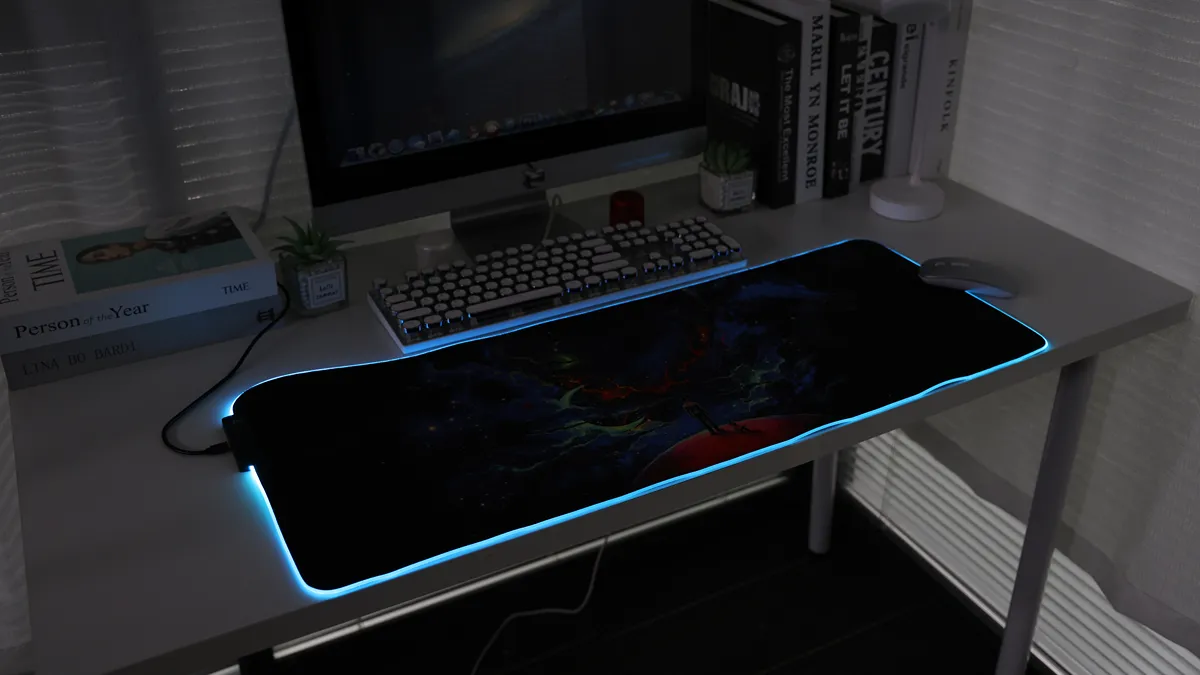
LED mouse pads are USB devices. They draw low-voltage power from a laptop port, a monitor hub, or a USB charger, which places them among the friendliest electrical products an importer can handle: no mains voltage inside the pad, no regional plug variants, and no certified power adapter in the box unless the brand wants one. The specification should still state the operating voltage, the current draw, and the connector type in writing, because those numbers drive cable gauge, port compatibility claims, and the customer support script.
Electromagnetic behavior is the compliance dimension of the same spec. A poorly driven LED circuit radiates interference that shows up in audio gear and wireless peripherals near the desk, which is why the United States requires FCC compliance for digital electronics and the EU evaluates the product under its electromagnetic compatibility framework. A factory that designs its drive circuitry in-house can hand you the test report behind the marking; an assembler that buys light strips off a shelf usually cannot.
If the supplier cannot state the current draw of the pad in milliamps without checking with someone else, the electrical side of the product was designed by whoever sold them the parts.
For brands bundling LED pads with other desk gear, the power budget matters commercially as well. A pad that plays well with unpowered USB hubs and battery banks can share a desk with a keyboard, a headset, and a phone without tripping over-current limits. Confirm the numbers, then test the pad on the hubs your customers actually own, because the support tickets land at your desk, not the factory’s.
Retail packaging should reflect the same electrical honesty. Print the operating voltage and current draw on the box and in the manual, keep the certification marks limited to the documents you actually hold, and resist the temptation to claim compatibility with every hub on the market. A restrained claim that survives an audit protects the listing better than an expansive claim that earns a takedown notice.
Certification Map By Market
Different markets ask for different documents, and the fastest way to plan an international launch is a matrix rather than a folder of PDFs. The table below maps the certification set for LED mouse pads by destination, as it applies to our product lines. Use it as a checklist against your factory’s document package before you confirm the shipping plan.
| Market | Required Documentation | Checkpoint |
|---|---|---|
| European Union | CE conformity, RoHS, REACH | Customs and retail chain audits |
| United States | FCC compliance, CA65 documentation | Marketplace onboarding and state law |
| China domestic | CCC (China Compulsory Certification) where applicable | Domestic retail channel |
| Global listings | Full set including REACH SVHC screening where requested | Large retail chains and platforms |
The European Commission operates the reference framework for CE marking, and its portal explains what conformity assessment obliges a manufacturer to demonstrate for electrical equipment placed on the EU market. Reading the European Commission guidance directly, rather than through a supplier’s summary, is how a compliance team keeps its own judgment in the loop.
Need an LED pad program with the compliance file attached? Send us your destination markets and SKU plan. Our team maps the certification path and returns a quotation within one working day.
MOQ 100 pcs | RoHS and CE certified | DDP to Amazon FBA
Safety Engineering Inside The Pad
Certification says the product passed a test; engineering decides whether it keeps passing one in a customer’s office for three years. Two failure modes dominate this category. The first is liquid ingress: a drink spills on the desk, and the liquid finds the light strip or the circuit board. Our answer is precision encapsulated stitching that seals the perimeter, keeping the light channel and electronics dry through the most common accident a desk product faces.
The second failure mode is heat. LED pads are designed to run cool, because the light sources sit inside a fabric assembly on a wooden desk. Confirm on the sample that the border stays cool to the touch after a full working day, that the connector shows no discoloration, and that the current-limiting behavior of the drive circuit is documented. Buyers evaluating the full production story can trace how the layers come together in our guide on how mouse pads are made.
Cable quality is the third quiet variable. The cable exits the pad at a fixed point and flexes every time the desk gets rearranged, so strain relief and conductor gauge belong in the specification. During sample review, flex the cable at the exit point a hundred times and inspect for loosening. The test is crude, free, and catches the single most common physical failure this product class produces.
Buyers who want the consumer-facing version of these checks, written for brand managers rather than compliance teams, will find the sample-stage checklist in our guide on what brands should check before ordering RGB mouse pads. The engineering is the same; the audience for the document is different.
Documentation And Factory Audit Trail
A compliance file for LED pads has two layers: product certificates and the factory system behind them. The product layer holds the RoHS, CE, FCC, CA65, and REACH documents. The system layer proves the factory can reproduce the certified product consistently: ISO 9001 for quality management, ISO 14001 for environmental management, and BSCI and GSV audits for social compliance and supply chain security. A factory with both layers gives your auditors a trail to follow; a factory with only the first gives them a stack of paper that expires.
Structure the document package so each SKU maps to its own evidence. The practical format our buyers use is a single sheet per product: certificate names, numbers, issuing bodies, holder names, issue and expiry dates, and the exact model scope each document covers. That sheet travels with the purchase contract, so when a marketplaces auditor or a customs broker asks for proof, the answer is one attachment rather than an email chain.
| Document Layer | Items | What It Proves |
|---|---|---|
| Product certificates | RoHS, CE, FCC, CA65, REACH | The SKU meets each market’s requirements |
| Factory system | ISO 9001, ISO 14001, BSCI, GSV, GRS | The maker can reproduce it consistently |
| Traceability | Certificate numbers, holder names, model scope, dates | Every claim checks out against the issuing body |
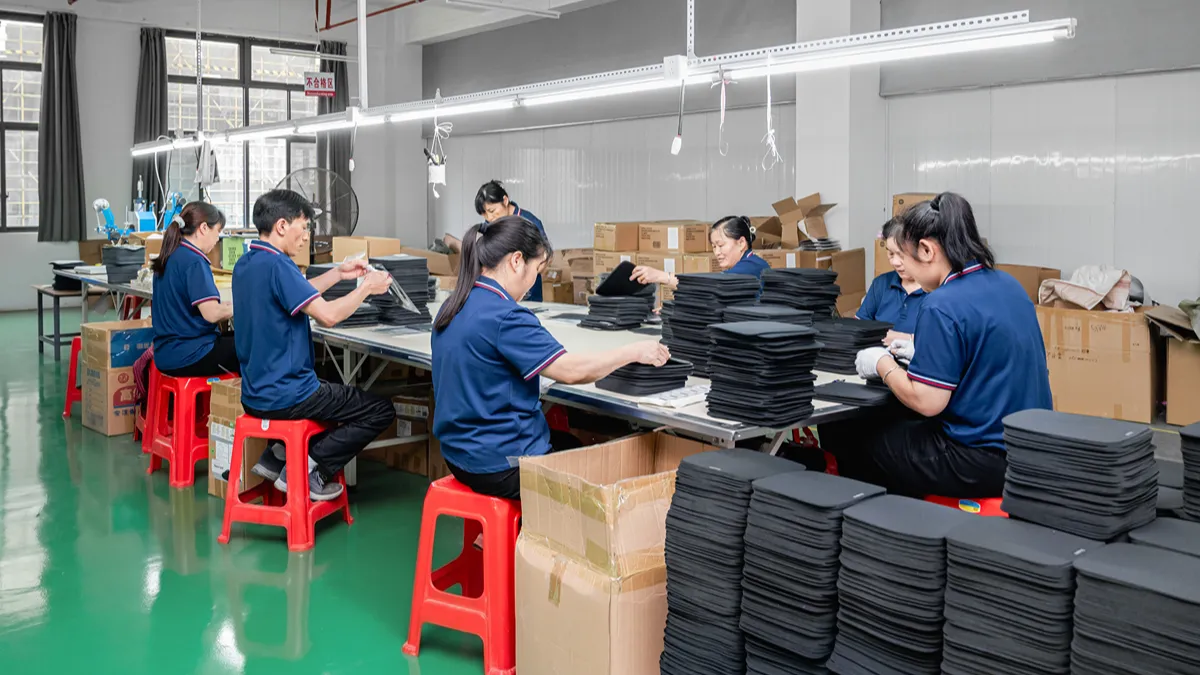
Physical audits close the loop. Sanxing operates two production bases with 1.5 million pads of monthly capacity, 300+ skilled staff, and a 50,000 square meter footprint, and we receive buyer audits as part of normal business. Distributors who consolidate compliance-heavy SKUs with a vetted factory can also route plain pad volume through our wholesale blank program and our gaming mouse pads catalog under the same audit umbrella, which simplifies the vendor list as much as the paperwork.
Frequently Asked Questions
Which Certificates Does An LED Mouse Pad Need For The EU Market?
CE conformity for the powered product, RoHS for hazardous substance limits in the electronics, and REACH for chemical compliance of the materials. Each certificate should name the shipping factory and cover the finished pad, not just a component.
Do LED Mouse Pads Need A Certified Power Adapter?
いいえ. The pads are USB powered at low voltage and draw from existing ports, hubs, or chargers, so no regional adapter variant ships with the product. The operating voltage and current draw are stated in the specification for buyers who want the numbers on file.
How Do I Verify A Certificate Is Genuine?
Take the certificate number and holder name, and match them against the issuing body’s public database. Confirm the scope covers the finished pad and the holder is the factory that ships your goods. A certificate naming a different entity than your manufacturer should be treated as invalid for your import.
What Safety Tests Should The Sample Pass?
Run the pad for a full working day and check that the border stays cool, spill liquid on the sealed edge and confirm no ingress, and flex the cable at the exit point a hundred times to test the strain relief. Those three checks cover the dominant field failures for this product class.
Can One Factory Cover Both LED Pads And Plain Pads?
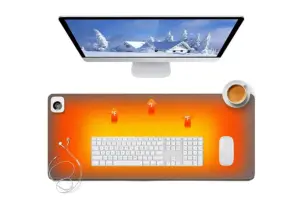
Yes, and consolidating simplifies auditing. Our lines build LED, RGB, heated, and wireless charging pads alongside standard and blank pads, all under the same ISO 9001 system and BSCI and GSV audit coverage, so one vendor review covers the whole assortment.
LED mouse pad sourcing is a documentation exercise wrapped around an engineering one. The specification states the electrical behavior, the certification map matches each market to its documents, the sample tests prove the safety design, and the audit trail shows the factory can hold all of it steady across a season of reorders.
Sanxing Tech builds the light systems and the compliance files in-house, with product-level certificates backed by an ISO-certified factory system. Send your destination markets and SKU plan, and our team will return the certification path with a quotation.