What Are Gaming Mouse Pads Made Of? Surface and Base Materials
The materials used in a gaming mouse pad directly influence mouse glide, stopping control, tracking consistency, comfort, and desk stability. For gaming brands developing new products, choosing the right surface and base materials is therefore an important part of product design and positioning. Cloth, polyester, microfiber, plastic, glass, rubber, and foam each offer different performance characteristics, while factors such as texture, thickness, density, and surface treatment further change the user experience.
This guide explains the most common gaming mouse pad materials, how they affect gaming performance, and what brands should consider when selecting materials for an OEM product line.
Why Gaming Mouse Pad Materials Matter
Your mouse pad surface dictates sensor tracking, friction dynamics, and wrist comfort, directly determining how accurately hand movements translate into in-game actions.
Selecting a mouse pad based solely on aesthetics overlooks the profound impact that raw materials have on physical execution. The interaction between your mouse sensor, mouse feet, and the pad surface acts as the mechanical baseline for every micro-adjustment and sweep you make during gameplay.
Sensor Tracking Performance and Accuracy
Optical sensors read microscopic surface details frame by frame to calculate positioning. Inconsistent textures or glossy finishes disrupt this process, leading to tracking errors that manifest as cursor jitter or spin-outs during high-velocity movements.
- Micro-texture consistency: Woven cloth and hybrid surfaces utilize uniform patterns to prevent sensor drift and cursor jitter during fast arm swipes.
- Hard surface reflection: Glass, plastic, and aluminum offer high tracking consistency by minimizing physical surface warping and micro-variations under the optical sensor.
- Engineered coatings: High-grade mouse pads feature tightly controlled weaves or specialized coatings that optimize light reflection for modern optical sensors.
Friction Dynamics: Speed vs. Control
The coefficient of friction between the mouse feet and the pad defines the effort required to start, maintain, and stop a movement. Balancing static friction (resistance to starting a movement) and kinetic friction (resistance during a movement) is critical for matching your in-game sensitivity and target acquisition style.
- Hard surfaces: These materials lower kinetic friction to enable fast glide and rapid flicks, making them ideal for low-sensitivity players who make large arm movements.
- Soft cloth surfaces: Higher friction profiles provide essential stopping power, which improves micro-adjustment precision and prevents overshooting on small targets.
- Hybrid designs: Textured hybrid surfaces bridge the gap by offering a fast initial glide paired with tactile resistance to assist in deceleration.
Comfort, Thickness, and Desk Stability
The physical construction of the base layer determines both ergonomic strain and the consistency of the glide surface. A sub-par base layer will slide across the desk during aggressive sweeps, introducing direct aiming errors.
- Wrist cushioning: Soft fabric surfaces provide comfortable wrist and forearm cushioning, reducing physical fatigue over multi-hour sessions.
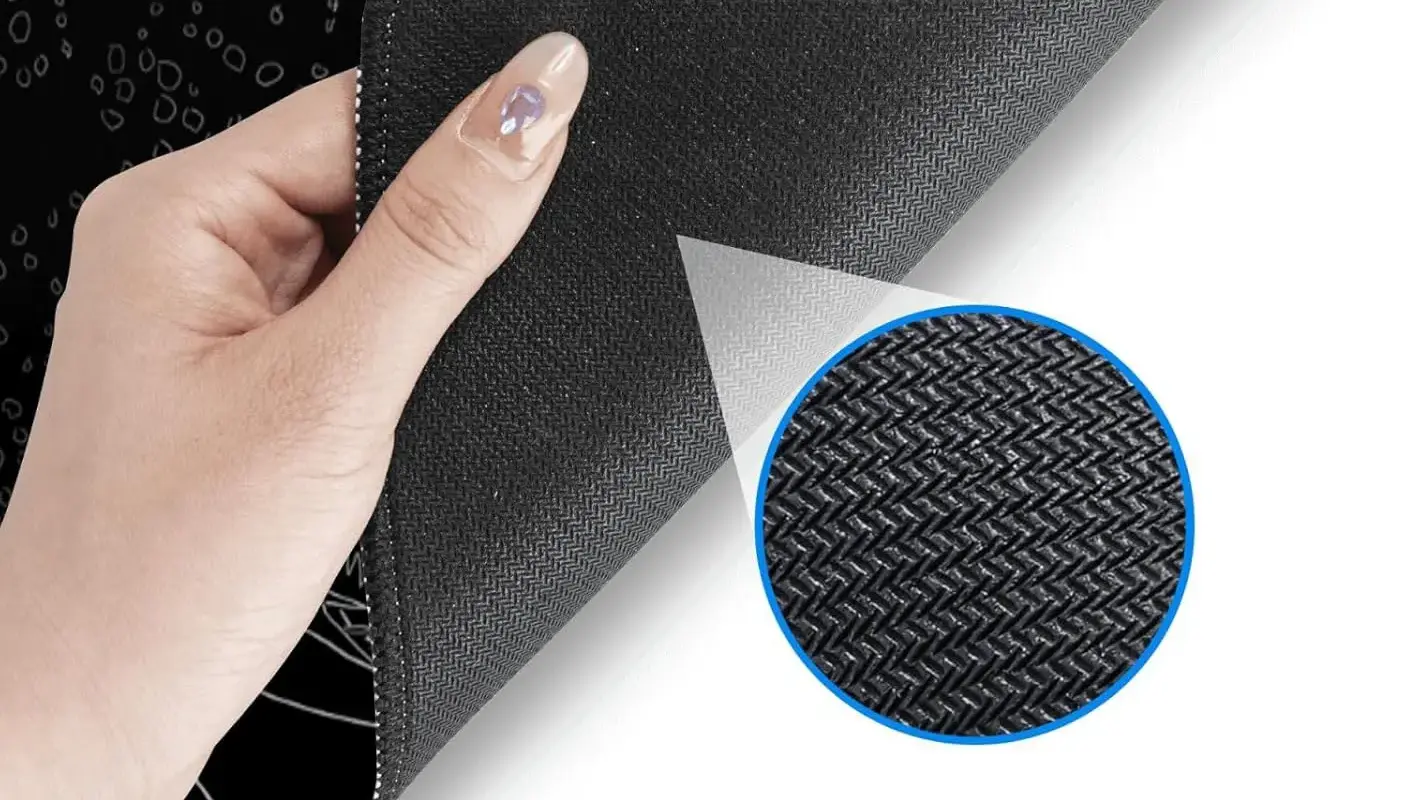
- Anti-slip backing: High-grip natural rubber, polyurethane, or specialized Poron-type foams prevent the pad from sliding on smooth desks.
- Thickness variance: Thicker bases (3–4 mm) mask underlying desk surface imperfections, while thin bases (1–2 mm) offer a firmer, more direct connection to the desk.
Durability, Wear, and Environmental Resistance
Environmental factors like humidity and sweat alter the glide profile of soft fabric pads, causing slow spots. Hard pads remain unaffected by climate but alter your hardware maintenance cycle by accelerating the wear of your mouse skates.
- Environmental immunity: Glass and hard plastic surfaces resist moisture, humidity, and sweat, maintaining an identical glide profile across varying seasons.
- Structural reinforcement: Premium cloth pads require dense stitched edges to prevent the surface fabric from delaminating or fraying.
- Skate wear acceleration: Hard, abrasive surfaces wear down PTFE mouse skates quickly, whereas soft cloth surfaces preserve skate lifespan at the cost of higher base friction.
Common Gaming Mouse Pad Surface Materials
Your mouse pad surface dictates sensor tracking and friction. Choosing the wrong material limits your mouse sensor’s performance and compromises your aiming consistency.
Soft Cloth and Fabric Surfaces
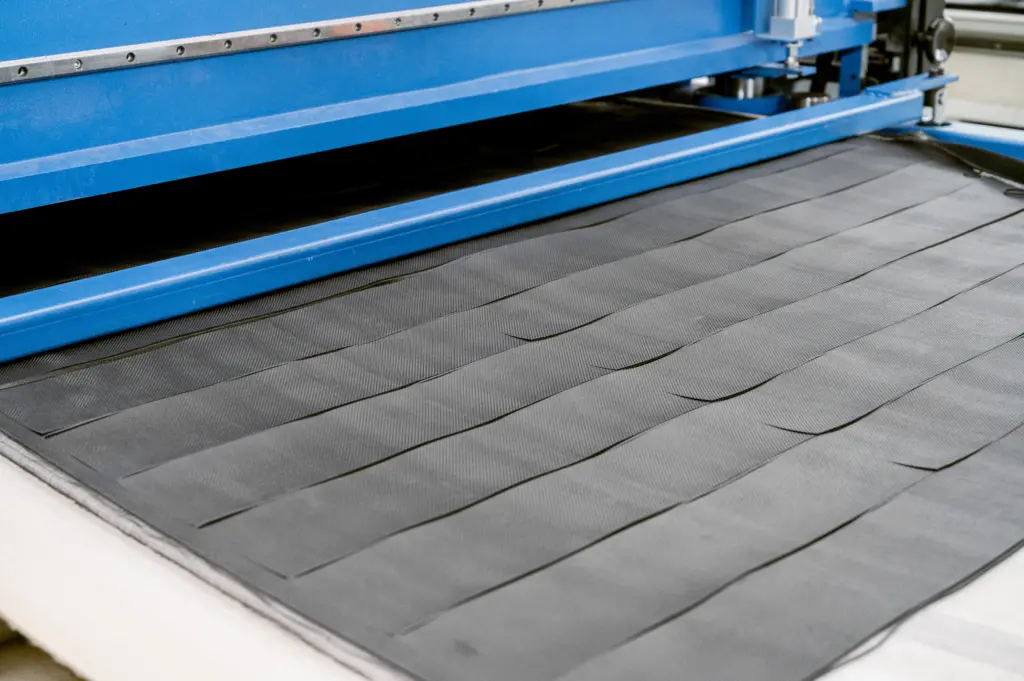
Most soft gaming mouse pads utilize a reliable two-layer composite design. Manufacturers laminate a woven fabric top layer, such as polyester, nylon, or microfiber, directly onto a resilient rubber or neoprene foam base. This base layer provides the necessary desk grip and cushioning for your hand.
The weave tightness directly dictates your glide speed and stopping power. Tightly woven polyester and micro-woven fabrics create a highly consistent, smooth glide that optical sensors track with extreme accuracy. Conversely, coarser textiles like canvas deliberately increase static friction to give you maximum stopping power during precise aiming adjustments.</p
These fabric surfaces offer excellent wrist comfort during long sessions, but they come with high maintenance demands. The porous material naturally absorbs dust, sweat, and skin oils over time. This absorption degrades the glide consistency, requiring you to perform periodic washing to restore the original performance.
Thickness choices typically range from 1 mm to 4 मिमी. A 3 mm thickness serves as the industry baseline for balanced comfort. Thicker pads mask minor desk unevenness and offer more control, though they slightly reduce raw glide speed by allowing the mouse to sink into the foam under pressure.
Hard Plastic Surfaces
Hard plastic pads rely on rigid engineering polymers to deliver speed over cushioning. Manufacturers typically construct these pads using a top sheet of polypropylene, polycarbonate, or high-density polyethylene (HDPE) bonded over a specialized anti-slip backing layer.
This rigid construction provides exceptionally low friction and an ultra-fast glide. The mouse moves with minimal physical resistance, making these pads ideal for high-DPI players, fast-paced MMO or MOBA gaming, and rapid, sweeping mouse movements.
Plastic pads also simplify your clean-up routine. The non-porous surface offers high spill resistance and wipes clean effortlessly with a damp cloth. However, the hard, textured plastic surface can wear down over months of friction and accelerates the physical wear on your mouse feet.
Metal and Anodized Aluminum Surfaces
Metal mouse pads offer an industrial alternative built around raw speed and extreme structural longevity. Factories construct these using a solid plate of anodized aluminum or stainless steel, presenting one of the slickest, lowest-friction surfaces on the market.</p
These metal plates are virtually indestructible, completely resistant to warping, and easy to sanitize. The compromise lies in ergonomics; metal offers zero cushioning and feels cold to the touch, which can cause discomfort or joint stiffness during extended play in cooler rooms.
Competitive players who choose metal prioritize immediate flick shots and highly consistent kinetic glide. Because the surface is so fast, you will likely need to lower your in-game sensitivity and tune your DPI settings to maintain targeting accuracy without overshooting.
Tempered Glass Surfaces
Tempered glass represents the premium tier of speed-oriented surfaces. Manufacturers use high-strength tempered glass, often finishing the top with an etched or micro-textured pattern to ensure flawless optical sensor tracking alongside a frictionless glide.
Glass provides unparalleled material longevity. It is highly scratch-resistant, does not develop slow spots, and is completely non-porous, meaning sweat, hand oils, and liquid spills never soak into the pad or alter its physical glide properties.
The physical trade-offs are weight and fragility. Glass pads are heavy, cannot be rolled up, and are difficult to transport. They also carry a real risk of shattering if dropped onto a hard floor or subjected to rough handling during travel.
Hybrid and Specialty Materials
Hybrid surfaces target players who refuse to compromise on the speed-versus-control spectrum. These pads combine a textured, coated cloth or flexible plastic top surface with a rigid core. This unique layering delivers a faster glide than traditional cloth alongside better stopping control than pure hard plastic.
Specialty lines also introduce alternative materials like PU leather. Often featured in dual-sided or office-oriented crossover pads, PU leather offers moderate friction, quiet operation, and an elegant aesthetic that fits professional environments while remaining casual-gaming capable.
For complete desk setups, extended desk mats cover your entire workspace. These massive fabric-on-rubber mats prioritize surface uniformity and overall desk comfort, protecting your wrists and your keyboard base while offering plenty of surface area for low-DPI arm sweeping.
Scale Your Brand with Certified Ergonomic Game-Changers
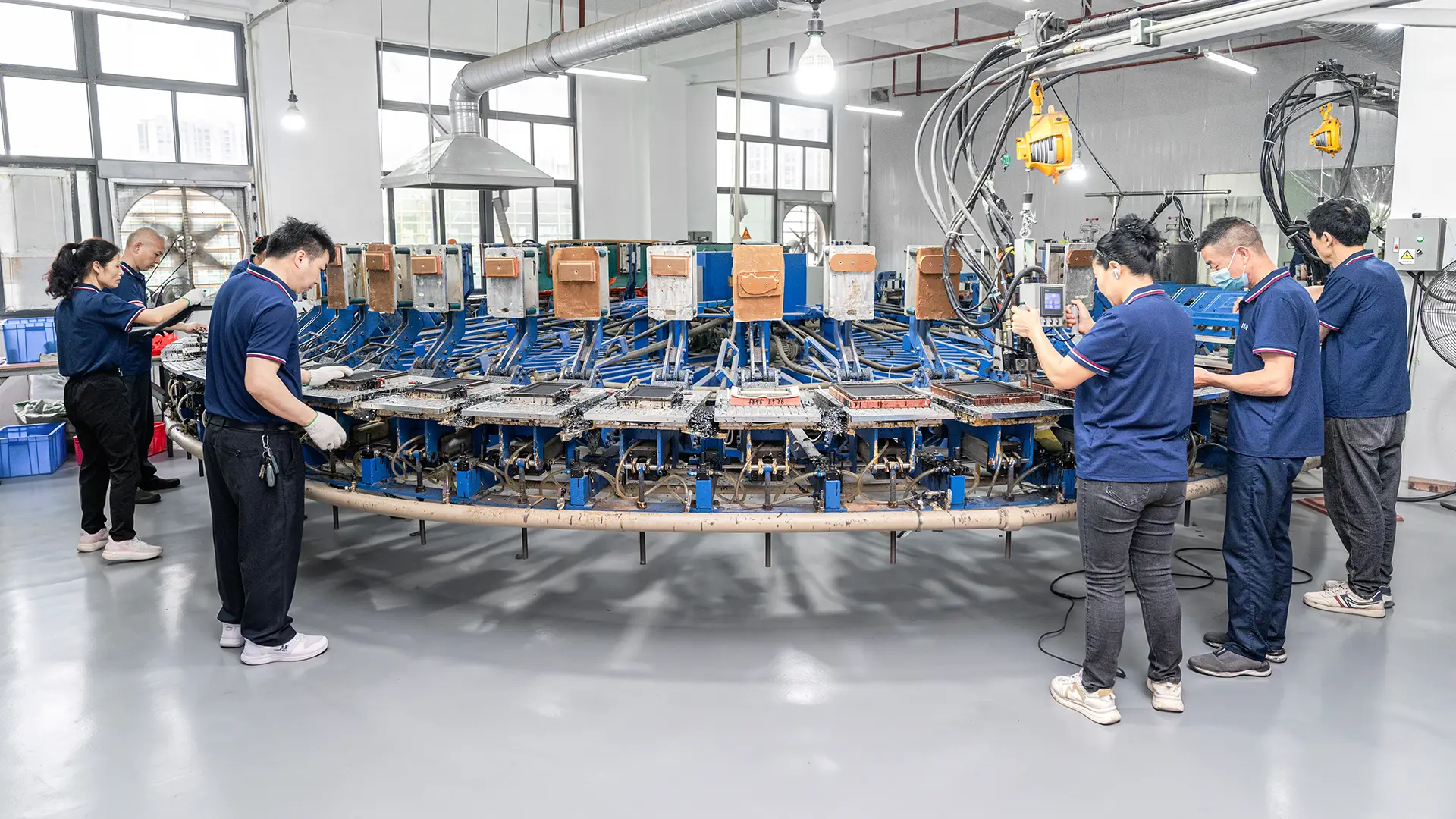
Common Gaming Mouse Pad Base Materials
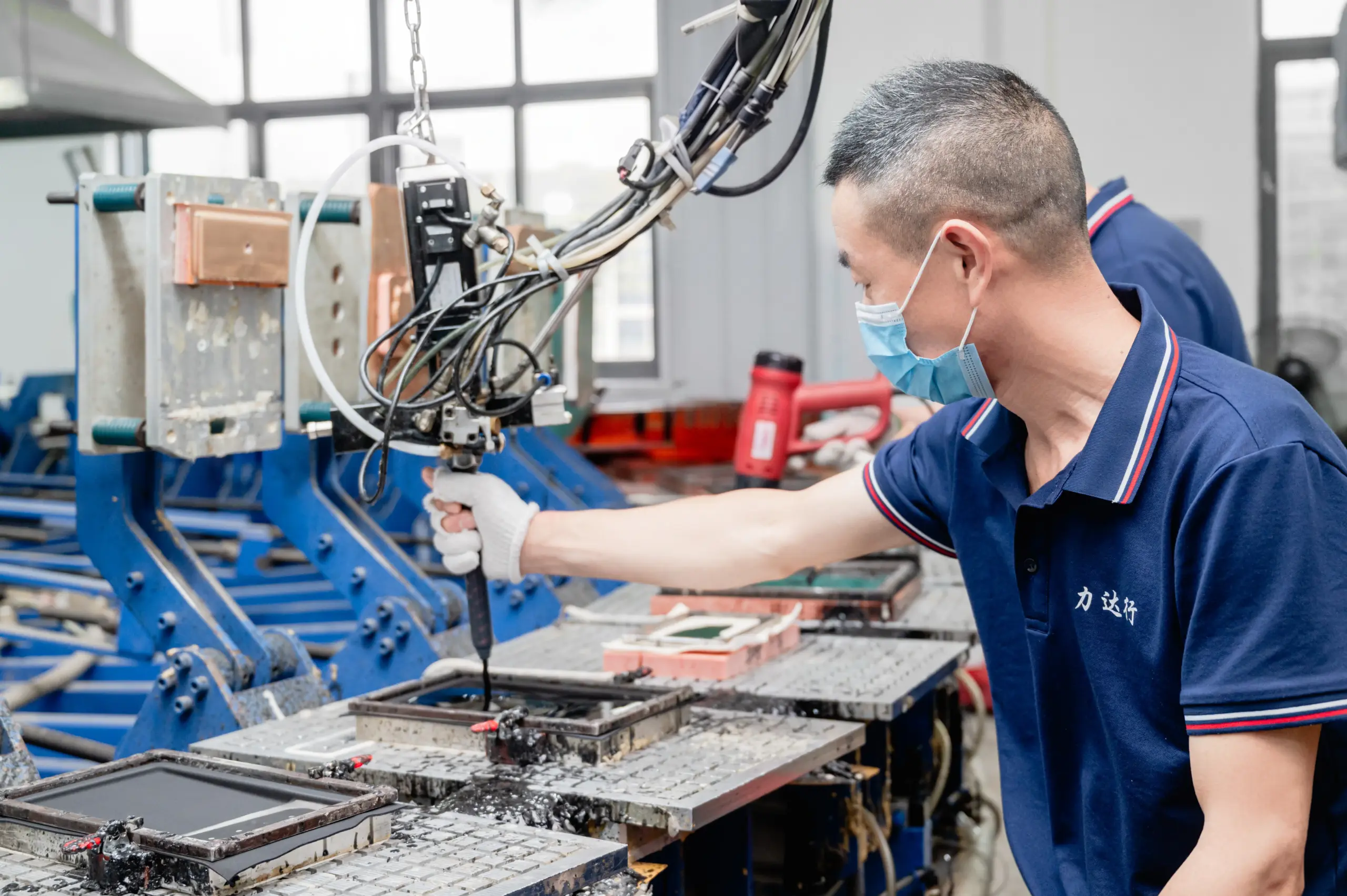
Your mouse pad’s base material dictates desk grip, structural flatness, and wrist comfort, directly preventing pad slippage during high-stakes aiming adjustments.
While gamers spend hours analyzing surface friction, the underside of the mouse pad quietly preserves or destroys muscle memory. If a pad shifts even two millimeters during a fast flick, the physical calibration of your shot fails. The base material serves as the anchor, absorbing downward force and securing the tracking plane.
Natural Rubber
This remains the industry standard for traditional cloth mouse pads. Factories harvest natural latex compounds and process them to create a highly reliable, heavy-duty grip layer.
- Desk Adhesion: Delivers high static friction across diverse wood, metal, and glass desk surfaces.
- Cushioning: Provides elastic cushioning to absorb wrist impact and micro-vibrations during rapid movements.
- Resilience: Rebounds quickly under downward pressure, demonstrating high density and long-term shape recovery.
- Vulnerabilities: Remains susceptible to gradual oil and heat degradation over years of heavy exposure.
Neoprene
A closed-cell synthetic rubber, neoprene offers structural upgrades for players who demand extreme material consistency regardless of their playing environment.
- Moisture Resistance: Closed-cell synthetic structure prevents water, sweat, and humidity absorption, eliminating warping.
- Tracking Plane: Soft, compressible underlayer improves wrist comfort and maintains a perfectly level tracking plane.
- Optimal Thickness: Typically constructed at a 3–4 mm thickness paired with a microfiber top to balance control and speed.
- Edge Stability: Preferred in professional control pads due to its dense structural stability, which minimizes edge lift.
Silicone
Silicone targets premium, high-stability setups. It offers a distinct tactile feedback profile that separates it from standard cellular rubbers.
- Maximum Grip: Features an incredibly high coefficient of friction, designed for absolute lock-in stability on polished glass or lacquered desks.
- Flatness Retention: Resists compression set over time to ensure the mouse pad remains completely flat without slow spots.
- Compression Profile: Offers a firmer, lower-compression feel preferred by gamers who want a rigid, consistent foundation.
Polyurethane (PU) and PU Foams
Polyurethane compounds exist as high-end customized foams or ultra-thin adhesive backings, bridging the gap between soft pads and rigid specialty surfaces.
- Wear Resistance: Provides exceptional long-term wear resistance and retains its grippy qualities longer than standard rubber formulations.
- Versatility: Serves as a plush, cushioned foam base or as a thin, highly durable non-slip backing on rigid hard pads.
- Hard Pad Security: Secures ultra-thin glass or metal pads effectively through full-coverage backings or strategic bottom ring patterns.
General and Rubber Foams
Commonly used in mass-market and budget-friendly product lines, generic polymer or low-density rubber foams offer basic comfort at a lower manufacturing cost.
- Comfort: Provides a plush, comfortable resting surface for the forearm during long, non-competitive sessions.
- Anti-Slip Requirements: Requires a textured skin or molded pattern on the bottom to achieve acceptable desk grip.
- Performance Trade-offs: Lower-density variants carry risks of uneven compression under heavy mouse pressure and potential edge curling over time.
How to Choose the Right Mouse Pad Material for Your Product Line
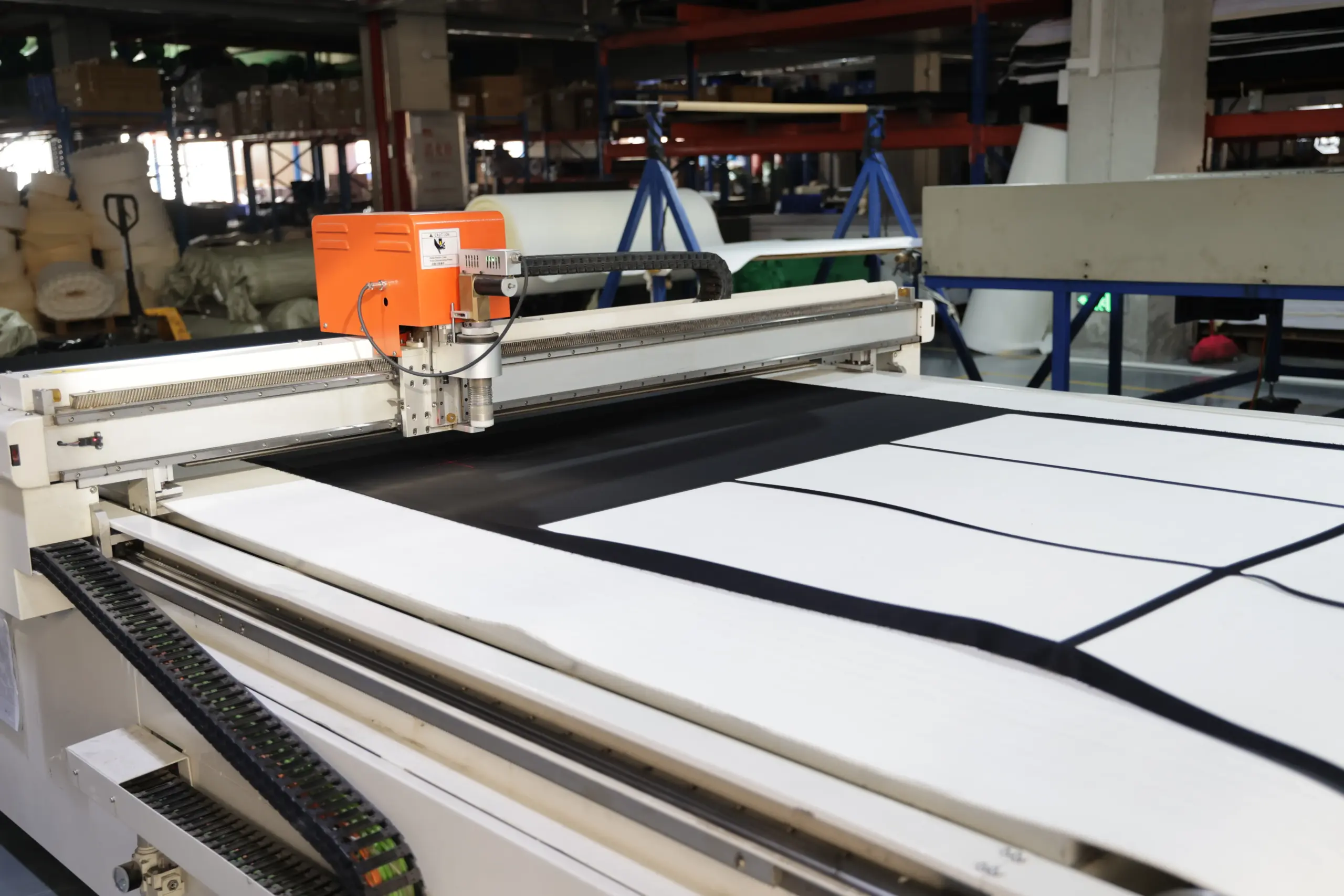
Select mouse pad materials by matching surface friction to target player habits and securing a high-density rubber base to prevent edge curling and sensor tracking errors.
| Material Type | Friction Profile | Target Playstyle / Use Case | Key Manufacturing Spec |
|---|---|---|---|
| Cloth / Microfiber | Moderate to High Control | Tactical Shooters, General Gaming | 190–230 gsm fabric, 0.2–0.3 mm nap |
| Tempered Glass | Ultra-Low Friction | High-Sensitivity, Fast Arena FPS | Micro-etched or textured surface |
| PU / Synthetic Leather | Medium Friction | Executive Office, Casual Gaming | Spill-resistant, embossed texture |
| Hybrid Blends | Balanced Speed & Control | Mixed Genre (MOBA + FPS) | Cloth-plastic co-weave |
Evaluate Surface Materials Based on Target Playstyles
Different gaming genres demand completely different friction dynamics. When building a product line, you must segment your surfaces to match specific gameplay mechanics rather than offering a single generic option.
- Cloth and microfiber: Offer high control and moderate speed, making them ideal for tactical shooter players and mainstream users who need strong stopping power.
- Hard surfaces: Tempered glass and polycarbonate deliver ultra-low friction, targeting high-sensitivity competitive gaming where rapid, effortless flicks are essential.
- PU and synthetic leather: Provide spill-resistant, highly durable surfaces suited for executive office setups and casual gaming crossovers.
- Hybrid blends: Combine the comfortable, skin-friendly feel of fabric with the low glide resistance of hard polymers for mixed-genre players.
Select the Right Base Material and Thickness Configuration
The underside of the pad dictates desk adhesion and structural consistency. A moving or warping pad will ruin a user’s muscle memory instantly, making base material selection a high-priority quality metric.
- Natural rubber: High-density natural rubber and premium neoprene (0.95–1.15 g/cm³) prevent slippage on smooth desks and resist warping under variable indoor temperatures.
- Standard 3–4 mm thickness: Provides the optimal balance of wrist comfort, desk imperfection masking, and sensor tracking consistency.
- Sub-2 mm and 5 mm+ issues: Thinner options under 2 mm compress too easily and risk slipping, while pads over 5 mm feel spongy and reduce tracking precision.
Align Material Specs with Sensor Types and Production Methods
A surface can feel great to the touch but fail under a high-performance optical sensor. Sourcing materials requires looking at micro-texture dimensions and manufacturing thermal stability.
- Optical sensor compatibility: Modern optical sensors perform best on tightly woven cloth with a controlled nap height of 0.2–0.3 mm to prevent jitter.
- Laser sensor compatibility: Laser sensors require micro-textured hard surfaces with an etched depth of at least 12–15 µm to maintain tracking accuracy.
- Sublimation printing: Requires dimensionally stable rubber backing that will not warp, shrink, or roll under heat-press temperatures.
Implement Quality Control Standards to Avoid Delamination and Odors
Cheap manufacturing shortcuts lead directly to high product return rates. To protect your brand’s reputation, set clear engineering baselines during factory audits.
- Adhesive selection: Avoid water-based glues that degrade in humid conditions; specify solvent-free, pressure-activated acrylic adhesives to prevent delamination.
- Rubber inspection: Check cell structures under magnification to confirm high natural rubber content rather than cheap chemical fillers that cause persistent odors.
- Edge binding: Incorporate double-folded, stitched edge binding to keep the fabric surface from peeling off the rubber base over long-term use.
Ready to Work With a Reliable OEM & ODM Mouse Pad Factory?

For an OEM project, brands should provide clear performance requirements instead of specifying only a material name. For example, asking for a “fast cloth surface” leaves room for different interpretations. A better development brief can define the desired glide, stopping control, thickness, softness, size, edge treatment, and target price.
Sampling is also important. A surface that looks similar in a specification sheet can feel different in actual use. Testing samples with the same mouse and mouse feet used by the target customer can provide a much more useful comparison.
For Guangzhou Sanxing Technology, OEM development can cover different mouse pad constructions, sizes, surface designs, and base options to help brands build products around specific market needs. This approach is useful when a brand needs more than a standard catalog product and wants a consistent material and construction system across a product range.
The right material is ultimately the one that matches the intended gaming experience, product positioning, and manufacturing requirements. By testing surface and base materials together, brands can create gaming mouse pads that perform consistently and support a stronger long-term product line.
Frequently Asked Questions
What are gaming mouse pads made of?
Gaming mouse pads are commonly made from fabric, polyester, microfiber, plastic, or glass on the surface, combined with rubber or foam bases for soft models. The exact construction varies by product and performance target.
What material is best for a gaming mouse pad?
The best material depends on your specific playstyle and settings. High-quality cloth pads with a natural rubber base (around 3 mm thick) are the best all-around choice for tactical shooters and low-DPI players who need maximum control, precision, and wrist comfort. Hard plastic or tempered glass pads are ideal for high-speed, flick-heavy action where minimal friction is prioritized. Synthetic hybrid fabrics like Cordura offer a balanced middle ground, combining the speed of a hard surface with the flexibility and comfort of cloth.
Are rubber mouse pads good for gaming?
हाँ, rubber is an exceptional base material for gaming mouse pads because it provides critical non-slip stability on wood, metal, and glass desks. A dense natural or synthetic rubber base between 3 mm and 4.5 mm thick offers the perfect balance of cushioning, desk-leveling consistency, and durability. However, rubber is rarely used as the top tracking surface; high-performance pads pair this stable rubber backing with an engineered cloth, hybrid, or hard polymer top layer to ensure accurate sensor tracking.
What is the difference between cloth and glass mouse pads?
Cloth pads focus on control, comfort, and precision; they feature a soft, cushioned textile surface that creates micro-resistance, helping you stop your mouse accurately. They are budget-friendly but typically need replacement every 6 to 12 months. Glass pads are premium, highly durable investments made of tempered glass that offer ultra-low friction and effortless glide speed. Glass does not absorb moisture or wear down over time, making it incredibly consistent, though it feels rigid, cold, and accelerates mouse skate wear.
Do mouse pads contain natural rubber?
Many gaming mouse pads use natural latex rubber harvested from rubber trees for their non-slip base layers because of its natural elasticity, grip, and resilience. However, many mass-market and budget-friendly pads utilize synthetic rubber alternatives like SBR (styrene-butadiene rubber) or EPDM to control manufacturing costs and ensure chemical consistency. The top tracking surface is almost always made of a separate fabric or polymer, meaning ‘rubber’ refers strictly to the bottom grip layer.
Are mouse pad materials waterproof?
Most standard cloth and microfiber mouse pads are not waterproof and will absorb sweat, oils, and spilled liquids. However, specialty materials such as closed-cell neoprene, silicone-hybrids, hard plastics, and tempered glass are highly water-resistant or entirely waterproof. Synthetic performance fabrics like Cordura are also treated with hydrophobic coatings that cause liquids to bead on the surface rather than soaking into the core, making them significantly easier to clean.
How do you stop a mouse pad from smelling?
To eliminate odors, submerge non-RGB cloth pads in cool or lukewarm water mixed with a small amount of mild hand soap or shampoo, gently scrubbing the surface with a soft sponge to break down sweat and skin oils. Rinse thoroughly, press flat between two dry towels to remove excess water, and allow the pad to air-dry completely in a well-ventilated, shaded area. For RGB or electronic pads, use a damp microfiber cloth with mild soap for a surface-only wipe down, ensuring no water enters the electronics, and avoid using direct high heat like hair dryers or radiators, which can degrade the rubber and adhesive layers.
Final Thoughts
While generic mouse pads offer lower upfront sourcing costs, adhering to a high-density natural rubber and consistent textile weight standard is the only way to safeguard your brand reputation against edge delamination and tracking failures. High-performance optical sensors demand precise material tolerances, and choosing unverified factory mixes directly leads to high return rates and broken player loyalty. Investing in certified material specifications ensures your product line delivers the precise physical control competitive gamers demand.
Do not leave your material quality to chance. We recommend requesting a sample batch of our polyester weaves and high-density rubber bases to test the tracking consistency and bond strength under your own testing protocols. Contact our engineering team to review our OEM catalog and customize your surface-to-base specifications.
एसईओ
Title: What Are Gaming Mouse Pads Made Of? Surface and Base Materials
Description: Gaming Mouse Pad Materials guide for OEM brands. Source 190-230 gsm fabrics with high-density rubber bases. Wholesale pricing.
URL: gaming-mouse-pad-materials
Keywords: Gaming Mouse Pad Materials